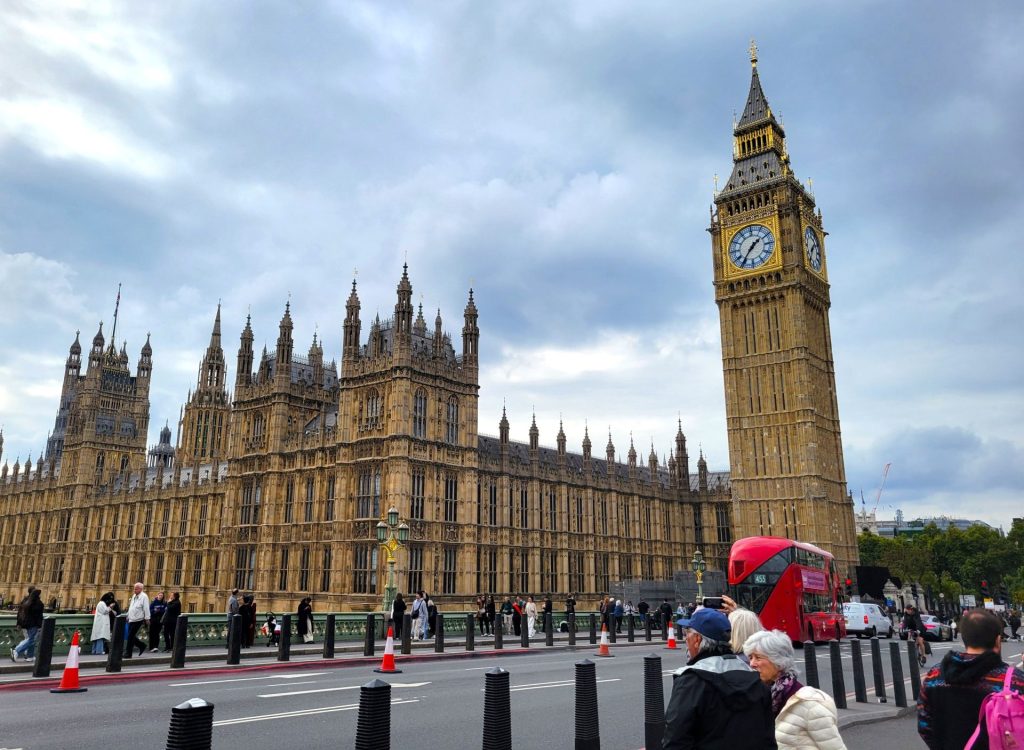
There is always something interesting happening in London. With a plethora of museums, markets, parks, art events, music, and theater, it would be impossible to get bored. We never even came close during our four week stay. Quite the opposite, in fact. Normally our day-to-day life is pretty relaxed, but London kicked us into high gear and had us constantly on the move. We visited twelve museums and almost as many markets and parks. Even with a very active long stay, we were unable to check everything off of our wishlist. While it’s not a cheap destination, it is easy to get your money’s worth.
One of the best parts of London is that most of the museums are free to enter. Although that’s slightly misleading, as they all heavily suggest that a £5 donation is proper. Some, like the Natural History Museum, make you enter through a mini maze with a couple dozen tap-to-pay terminals. Others have a greeter who strongly implies that a donation would be helpful. While you’re never required to pay, they aren’t shy about laying on the guilt. Special exhibits are also rarely free, so we ended up buying tickets more often than not. Even the ones without special exhibits found us donating, as we like to support the arts and can afford it. Or that’s just a rationalization I made to pretend that we’re not suckers for the guilt trip. Either way, all of them are still a bargain at £5 ($6.70) per person.
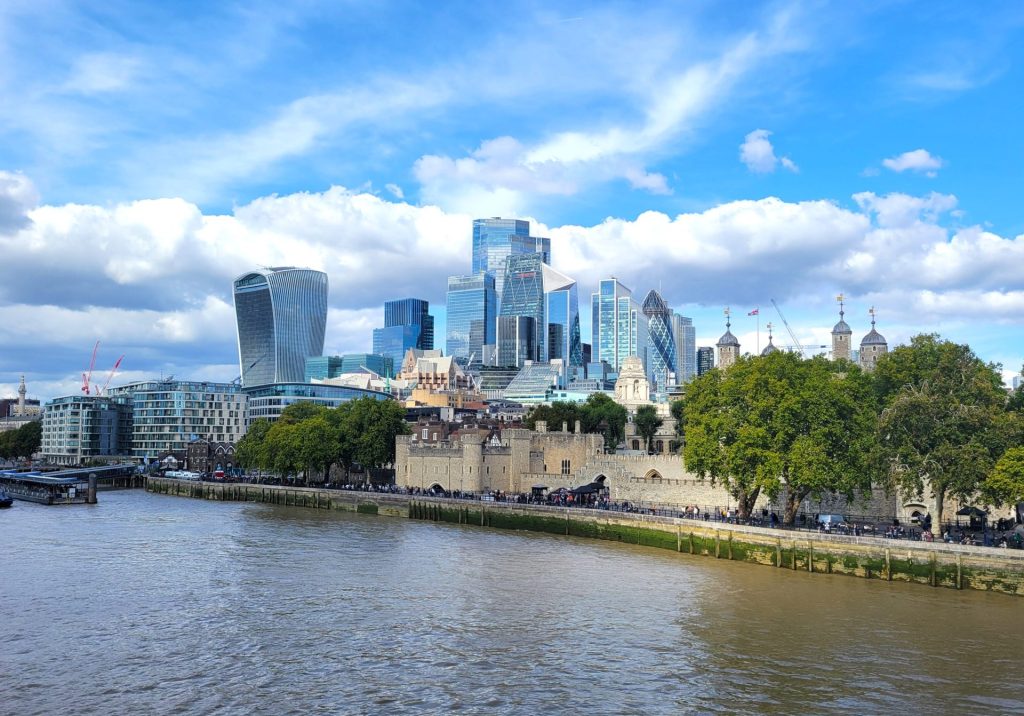
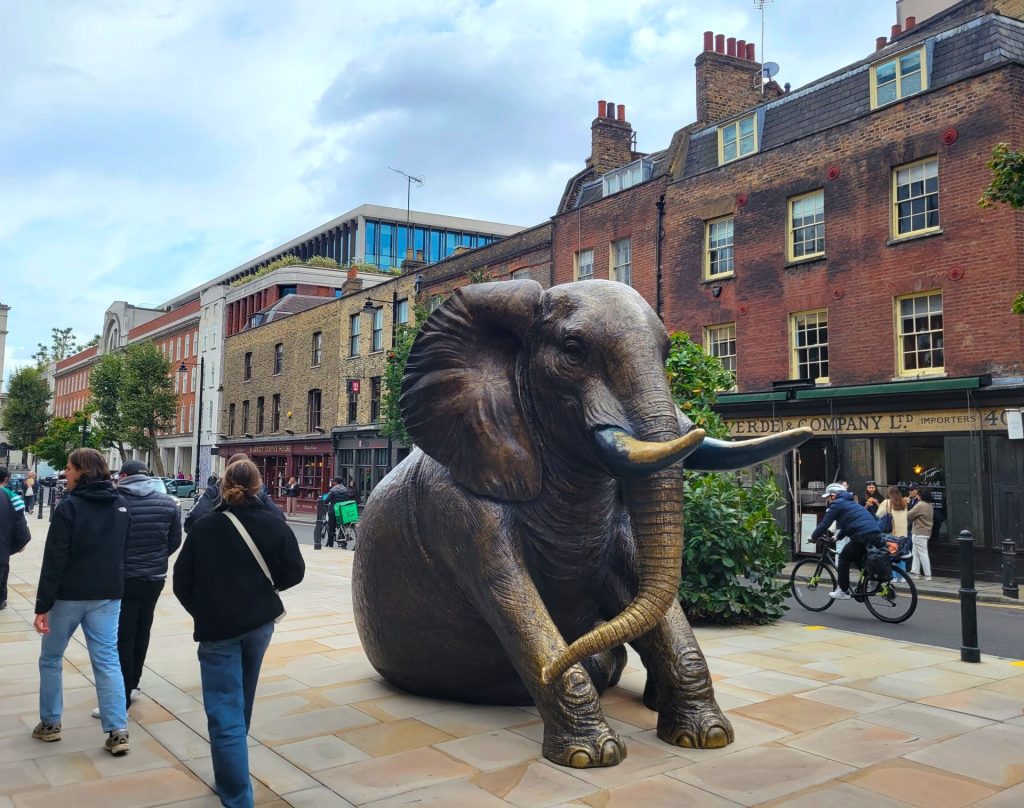
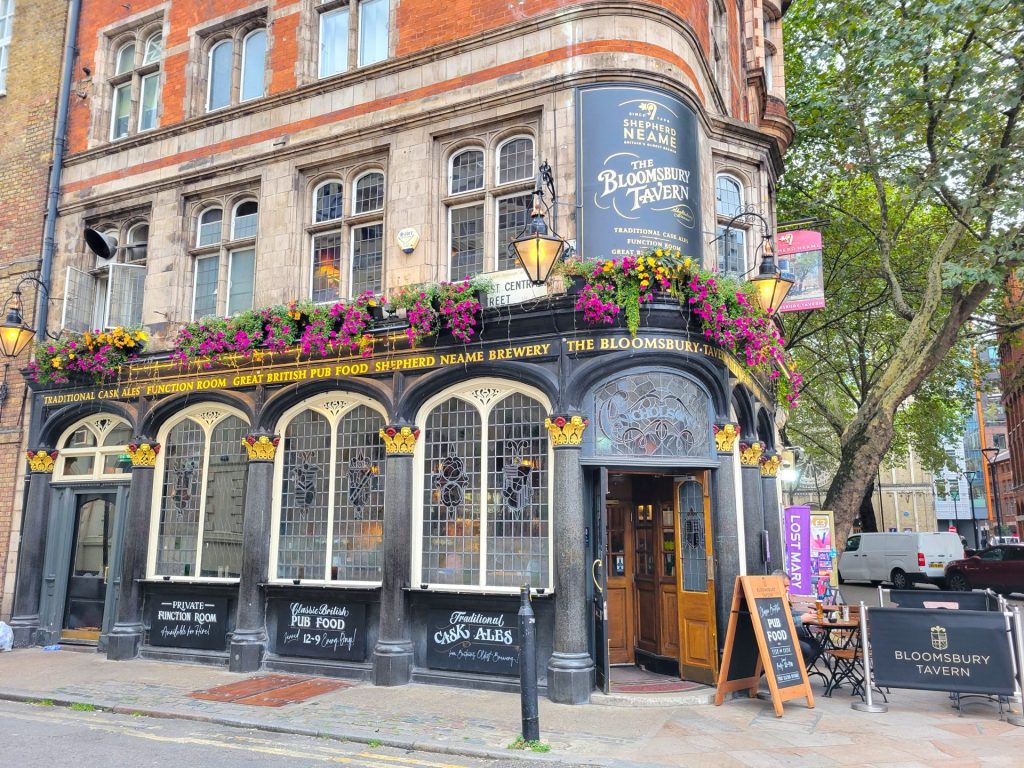
In contrast to the museums, the cathedrals charge massive entry fees. Having been spoiled by our year in France where all of them are free, we decided immediately that we weren’t paying the outrageous price of £29 ($40) each to see the insides of them. I’m sure St Paul’s Cathedral and Westminster Cathedral are glorious, but when competing with everything else in the city, the value proposition isn’t remotely worth it.
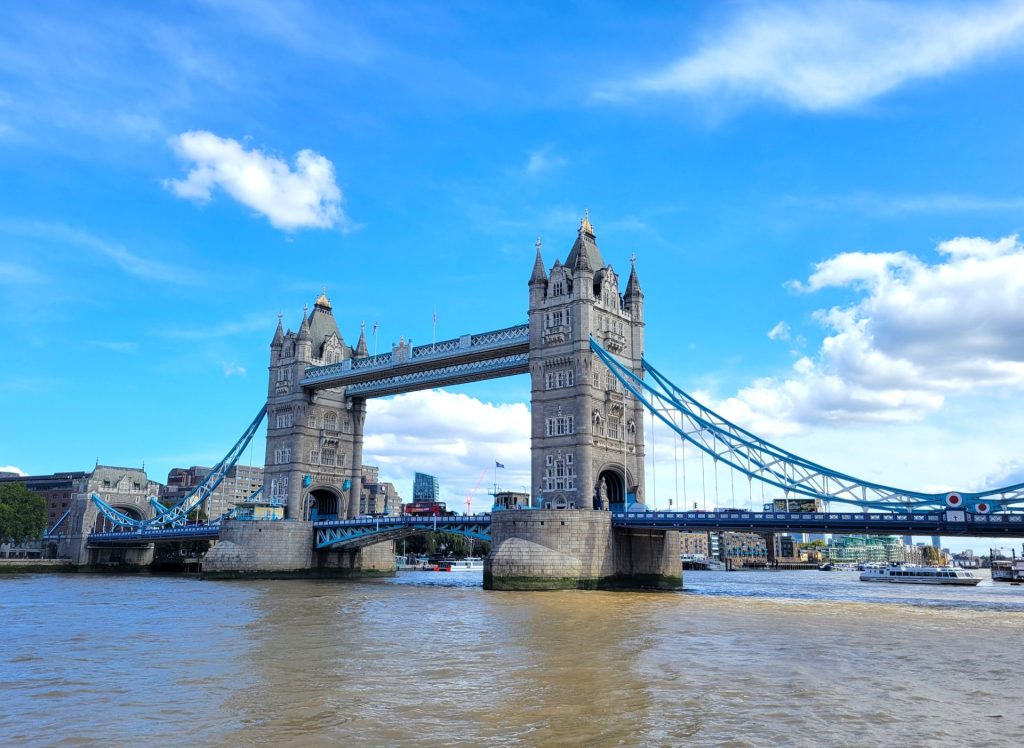
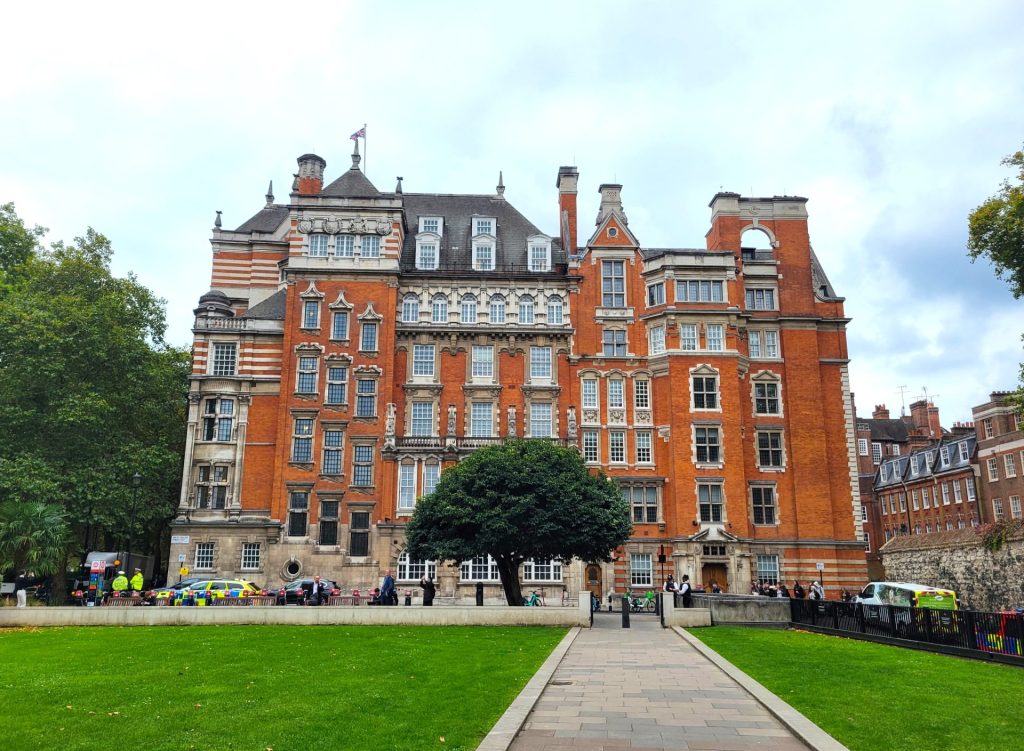
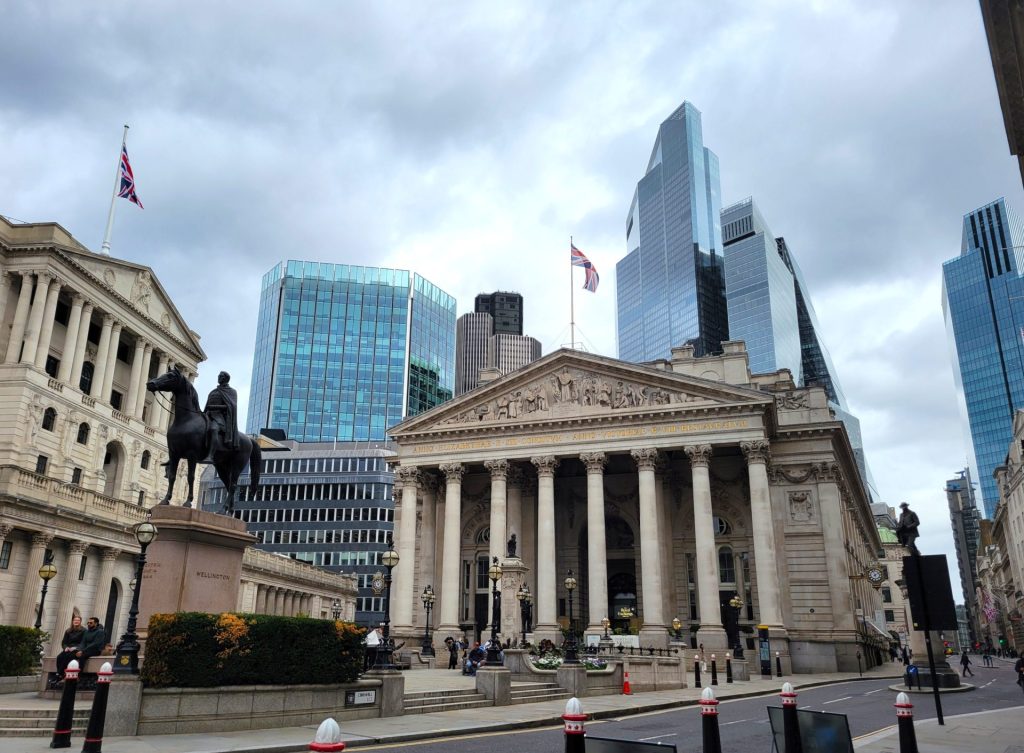
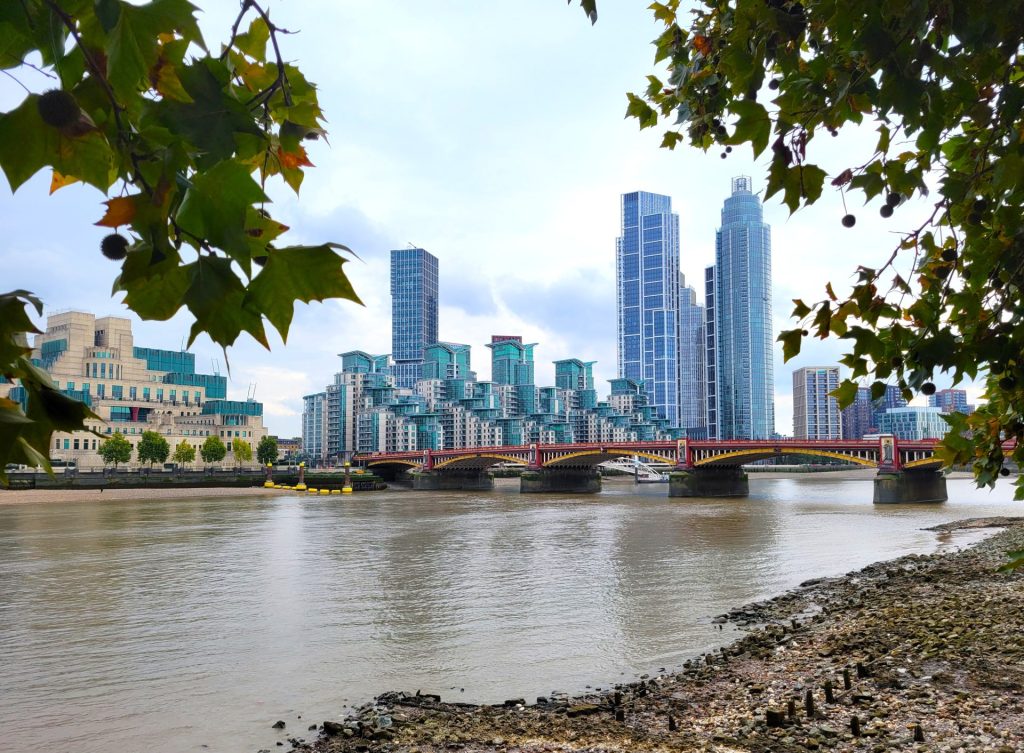
Pretty much everyday we boarded the Tube to get around the city. London is so big and spread out that taking public transit is an essential part of daily life. By downloading the official app, we were able to tap to pay with a phone or credit card and therefore didn’t need a separate transit card. Since they were going to constantly take our money (over $300 worth), at least they made it very convenient. The Tube also runs very frequently, so as long as we avoided peak rush hour, we almost never had to wait more than a couple of minutes for a train. The downside is that it’s pretty loud, especially with the vent windows open. We would often arrive home to our quiet apartment to find that our ears were ringing. But that’s a small sacrifice for being shuttled all over the megacity quickly and reliably.
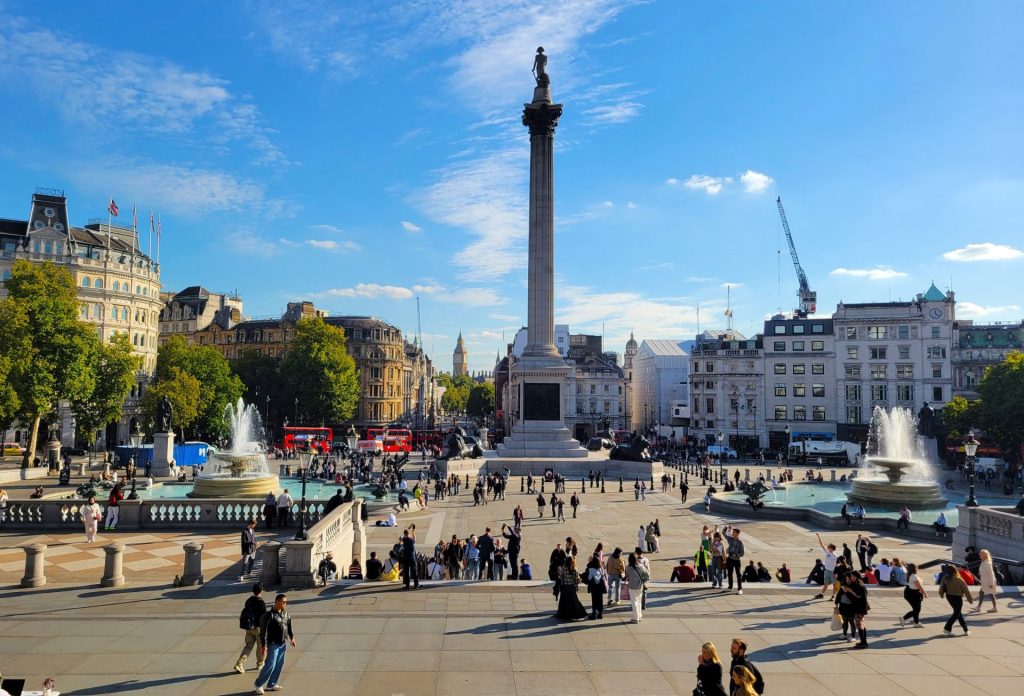
National Gallery
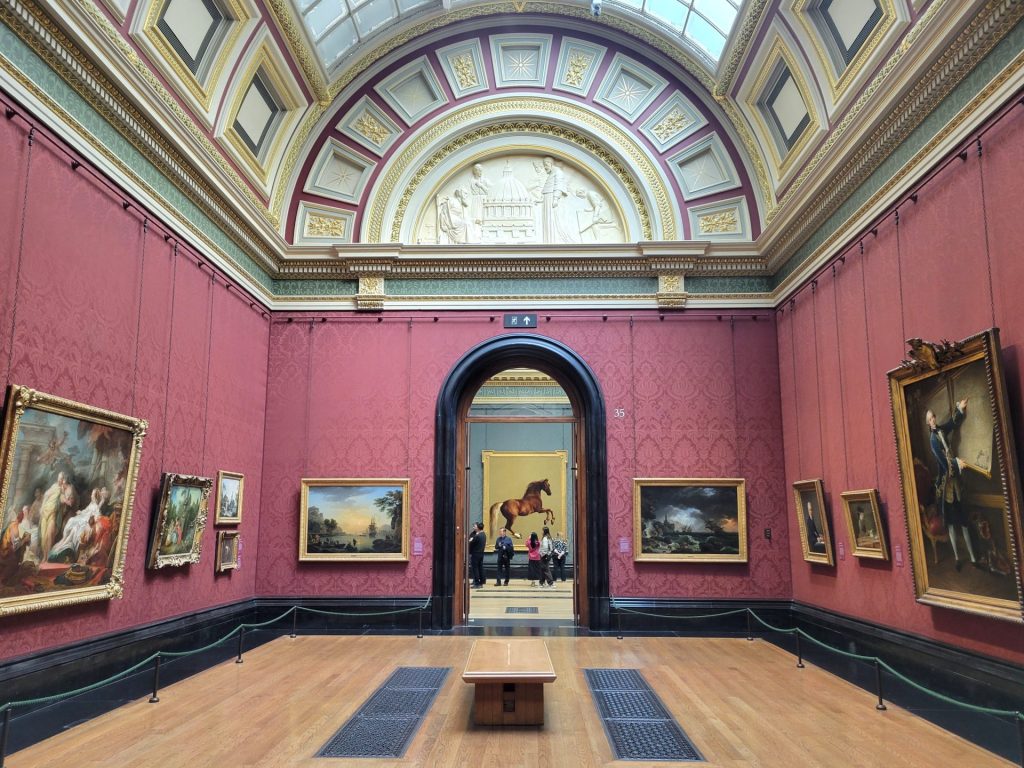
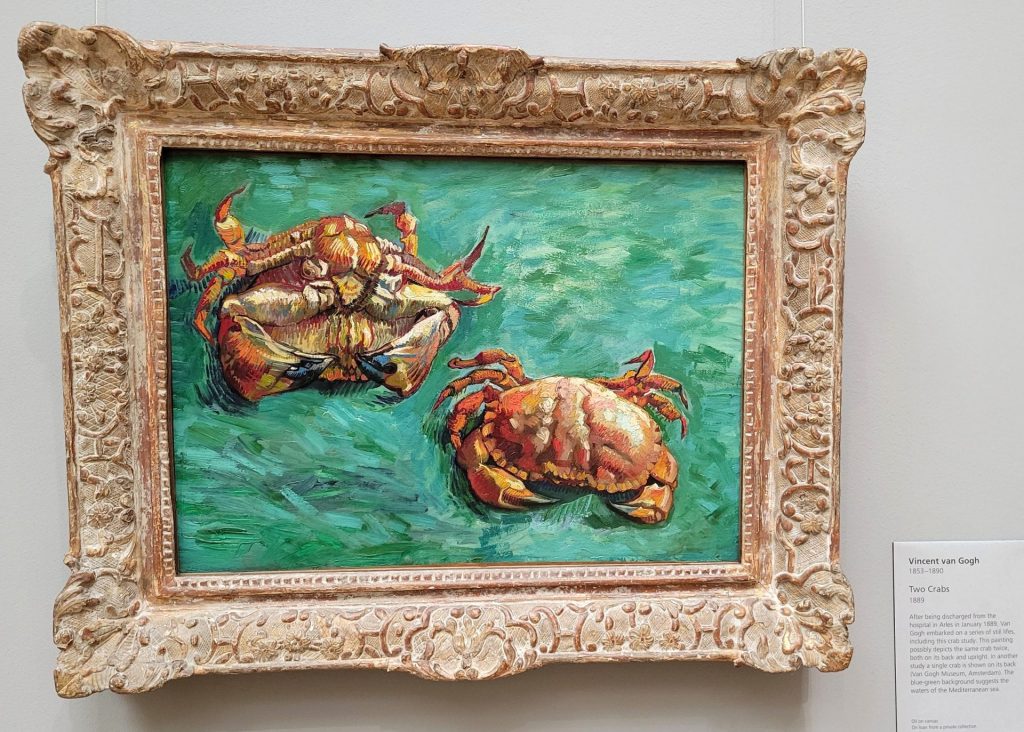
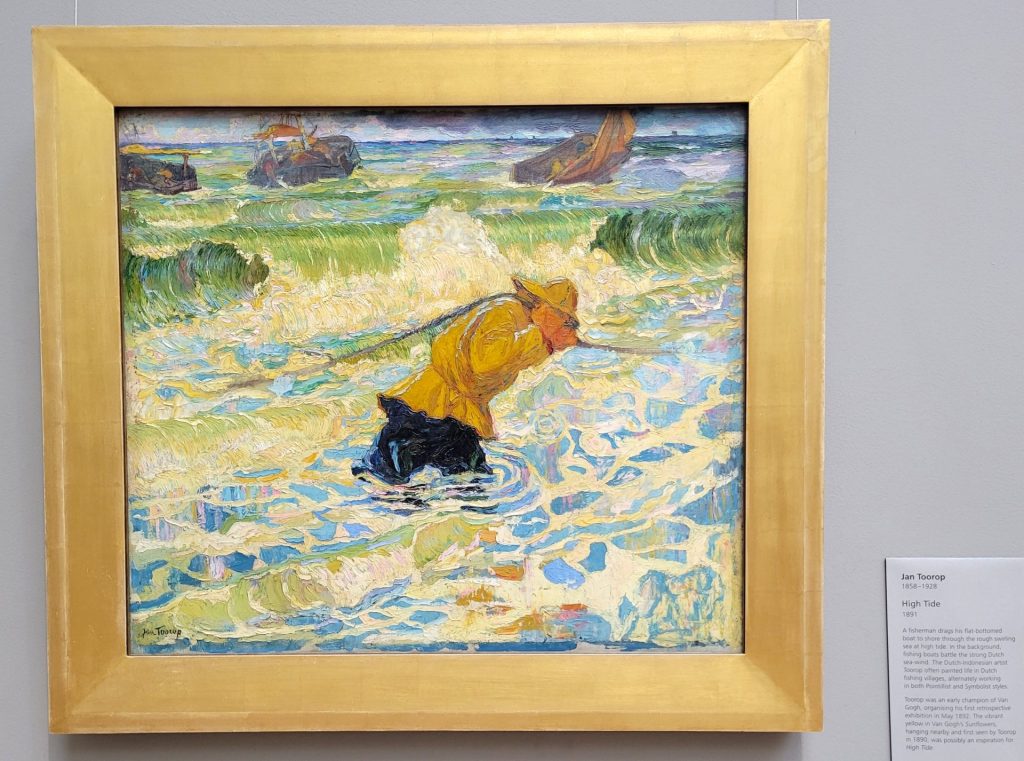
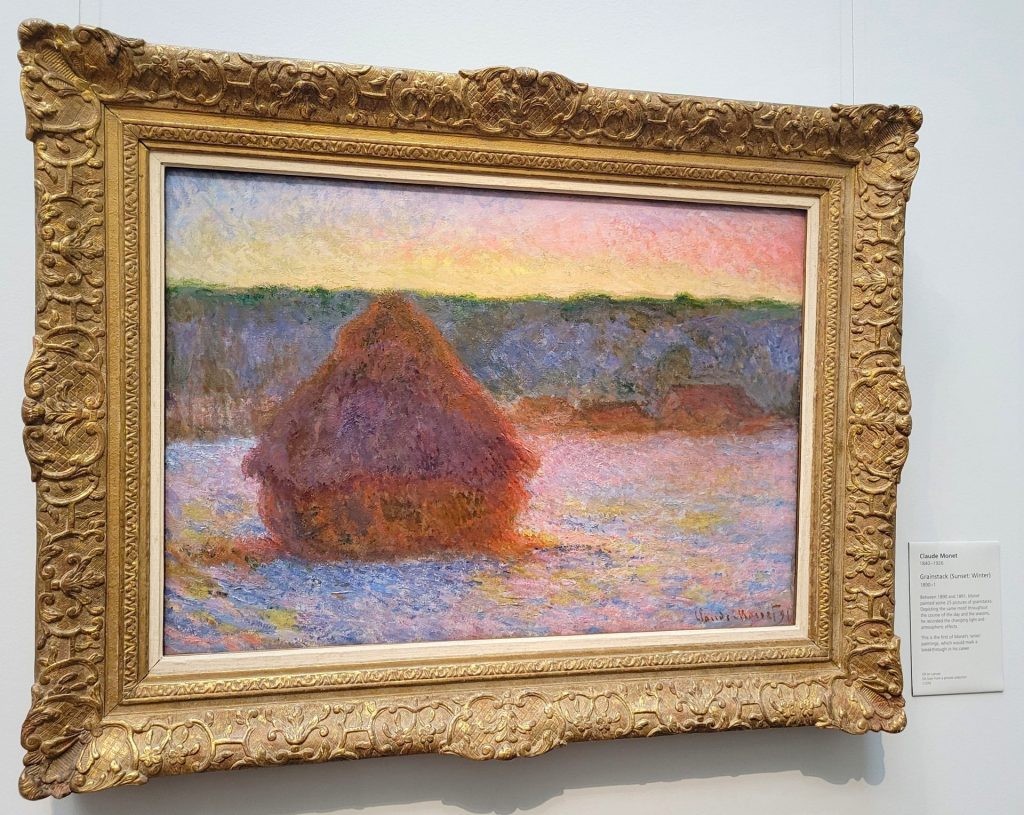
A sprawling ornate museum, the National Gallery has a massive collection of artworks spanning the centuries. The building is incredible even without the priceless art hanging from the walls. The layout is unusual and it creates lots of nooks and crannies to explore, all of them filled with interesting pieces. It’s definitely big enough to get lost in and well worth doing so.
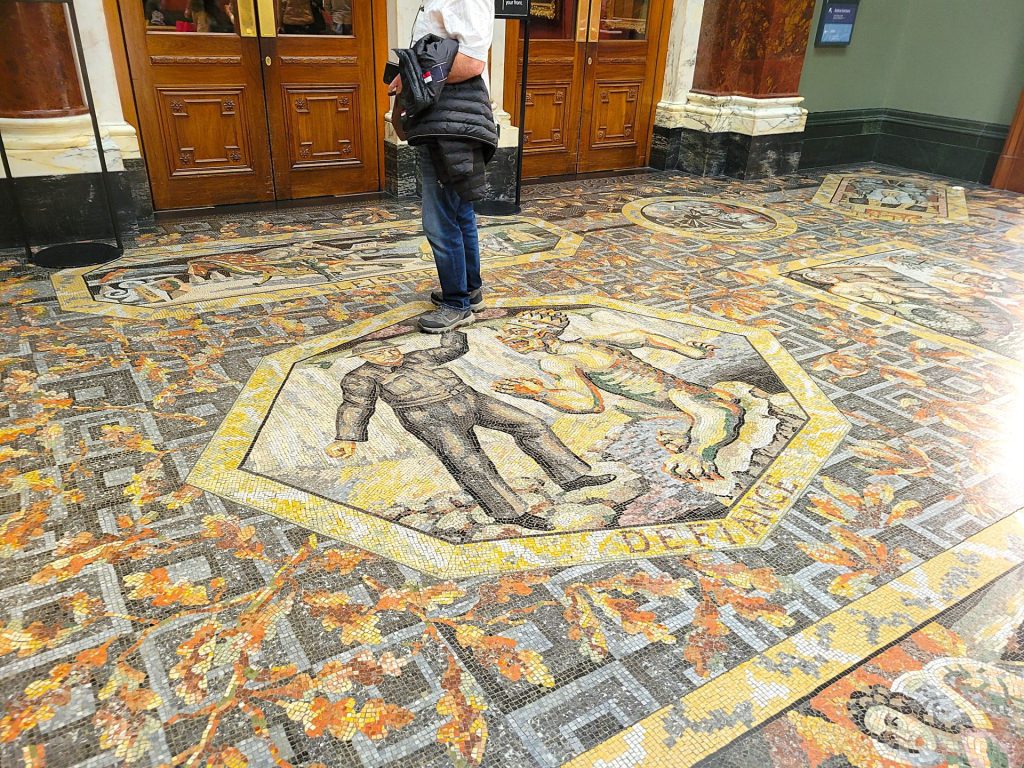
National Portrait Gallery
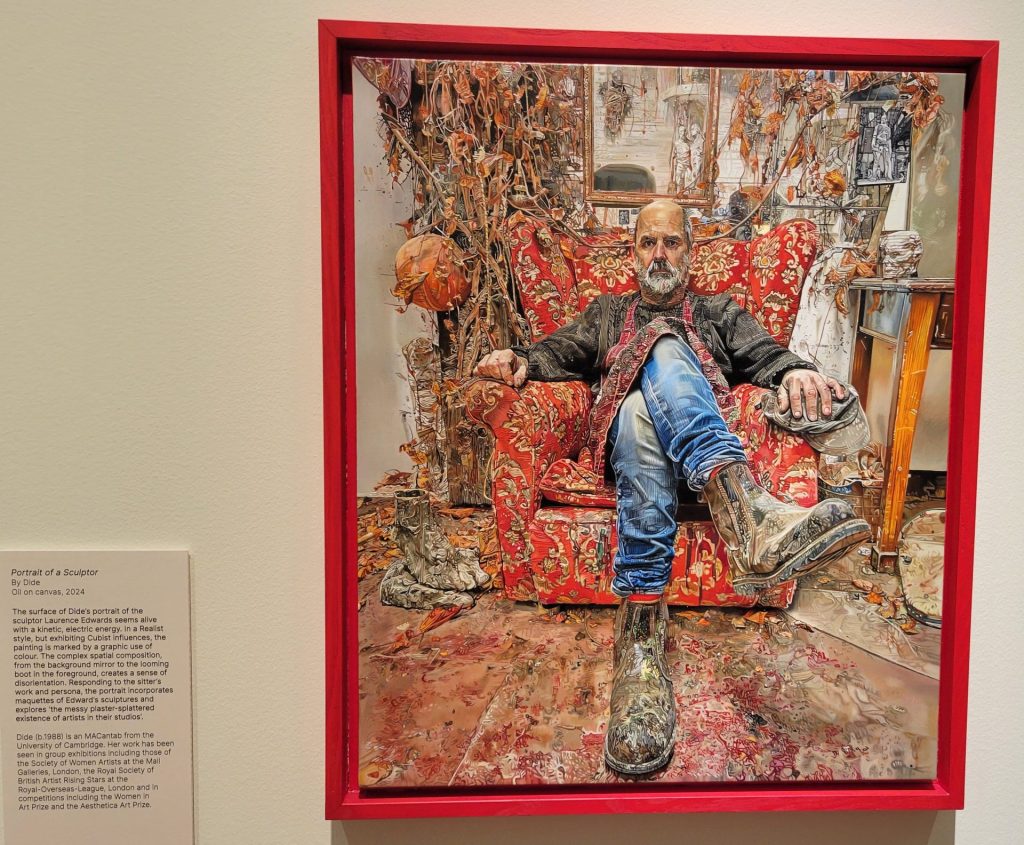
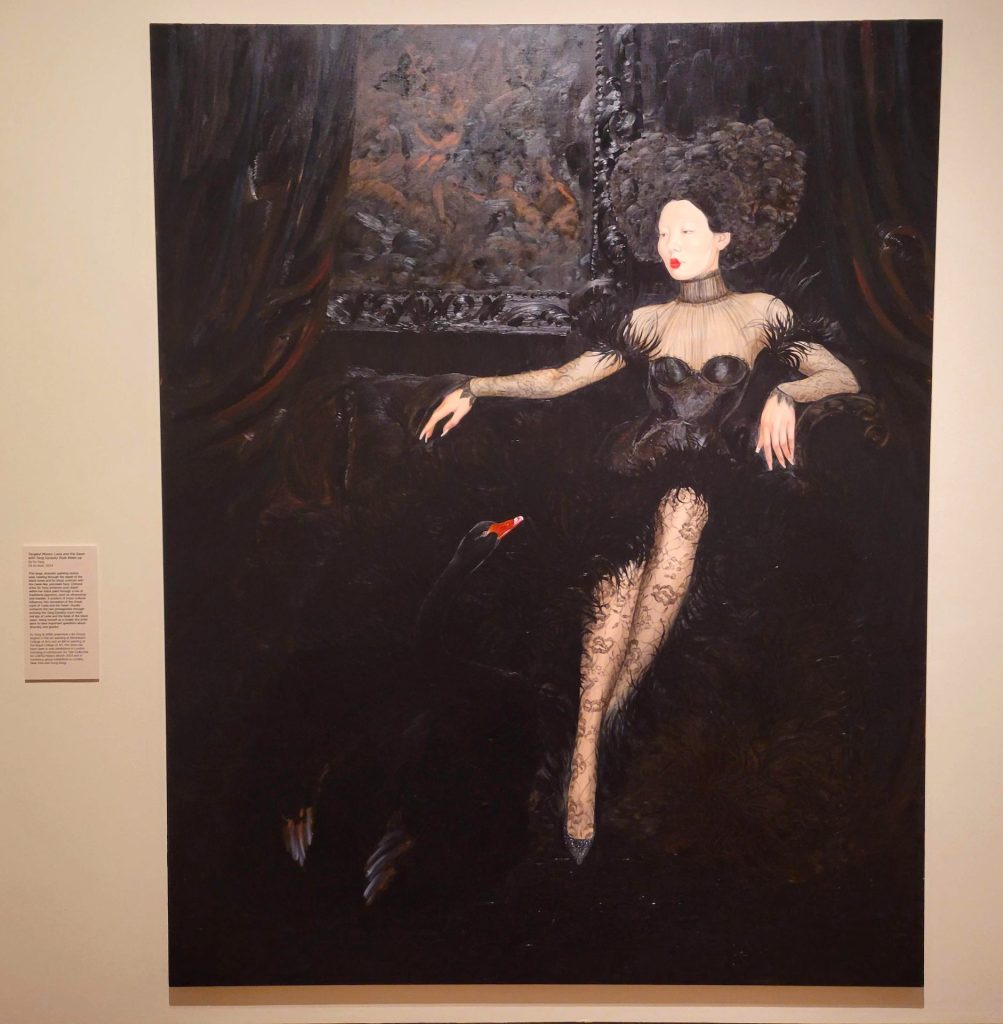
Before visiting, I was thinking that the National Portrait Gallery was going to be mostly stuffy formal paintings of British royalty. But that wasn’t the case at all. Sure it had some of those, but there were many more modern and interesting ones than I expected. We saw great portraits of actors, musicians, politicians, commoners, and artists. I love the portrait as an art form, especially the self-portrait. It’s always so interesting to me how the artists portray themselves. And the National Portrait Gallery absolutely delivers in that regard.
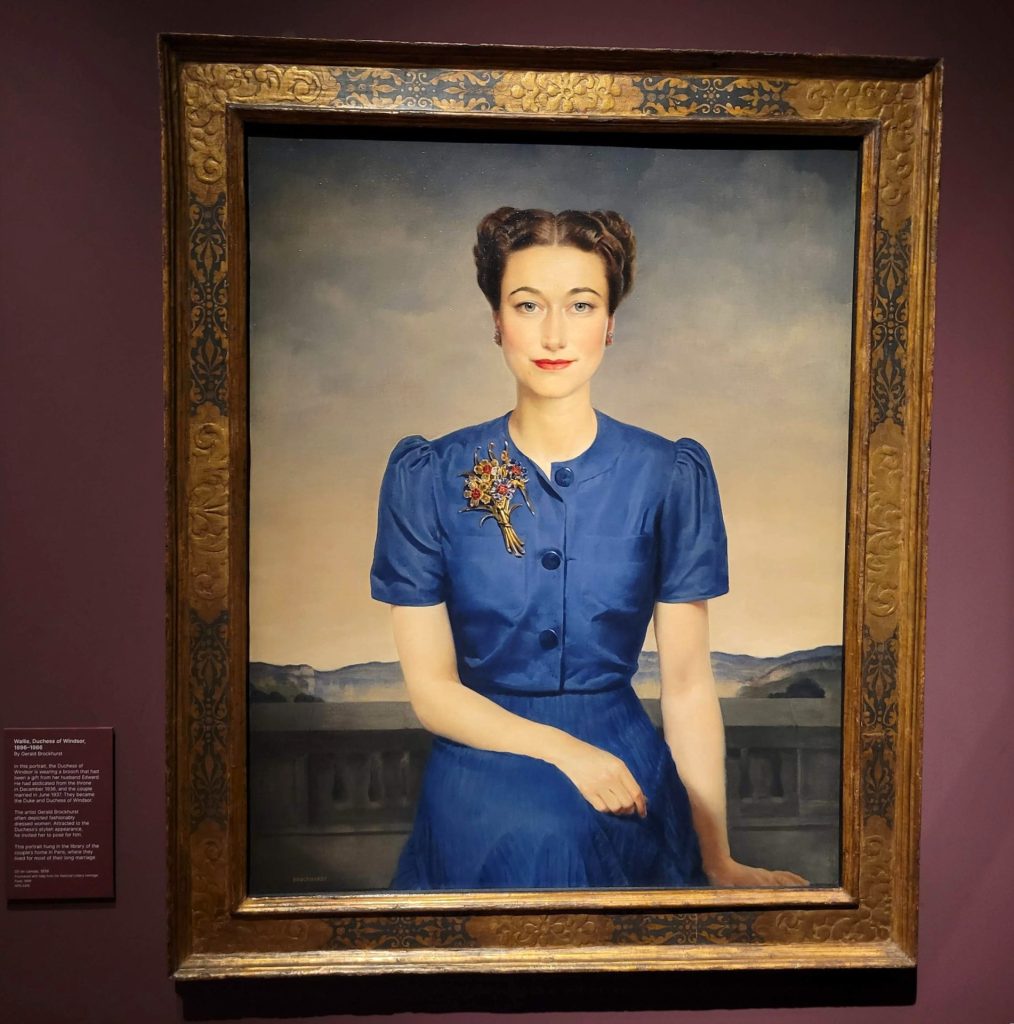
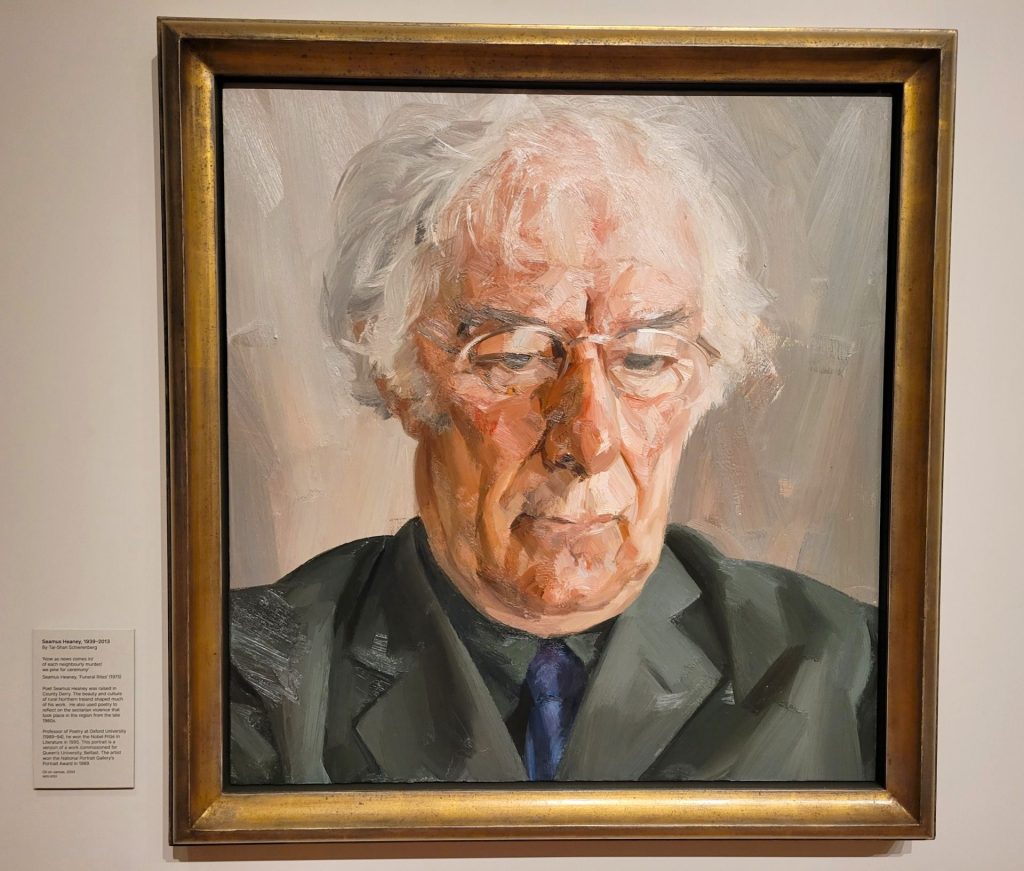
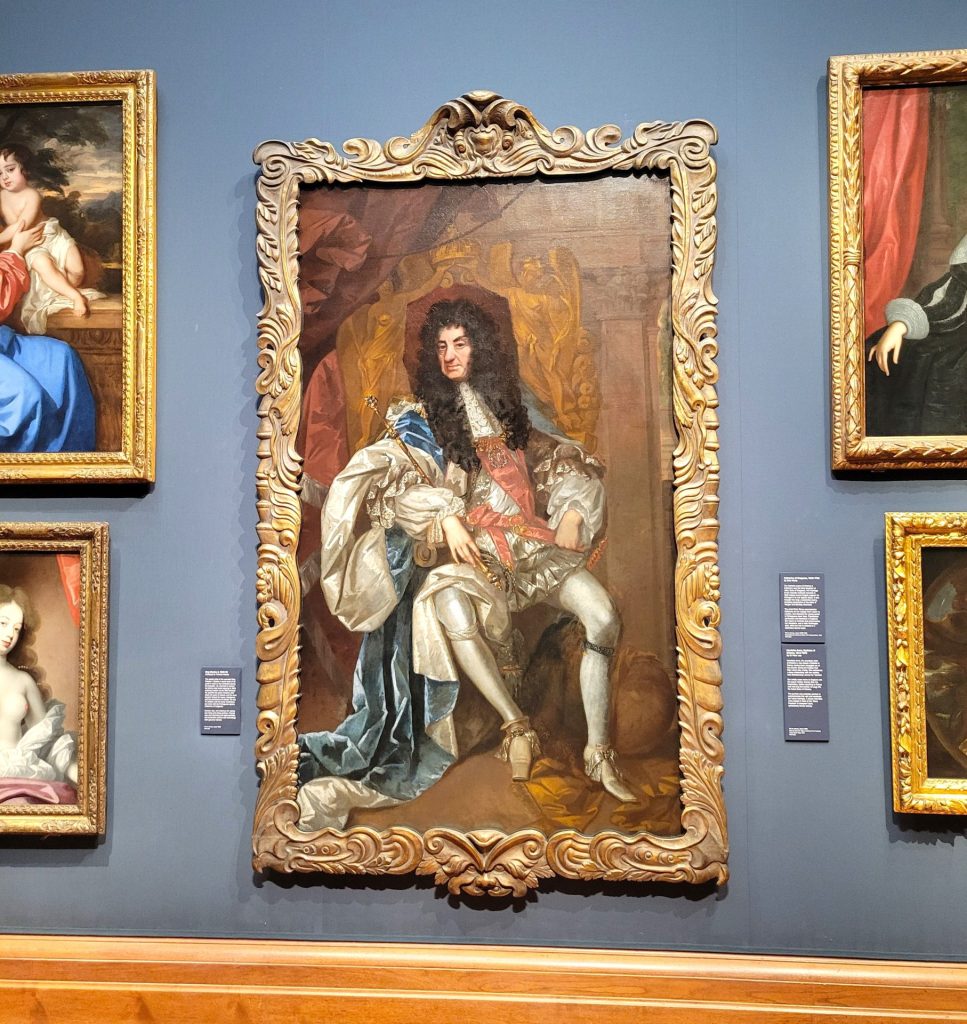
Our timing was perfect because we were able to catch a temporary exhibition of the finalists for the 2025 Herbert Smith Freehills Kramer Portrait Award. This annual award received 1314 entries from 61 countries for the 2025 contest. These were whittled down to the top 46 portraits which were on display for our visit. Many of these finalists were simply amazing. Even several months later, I’m still thinking about them. This was easily one of our favorite museums.
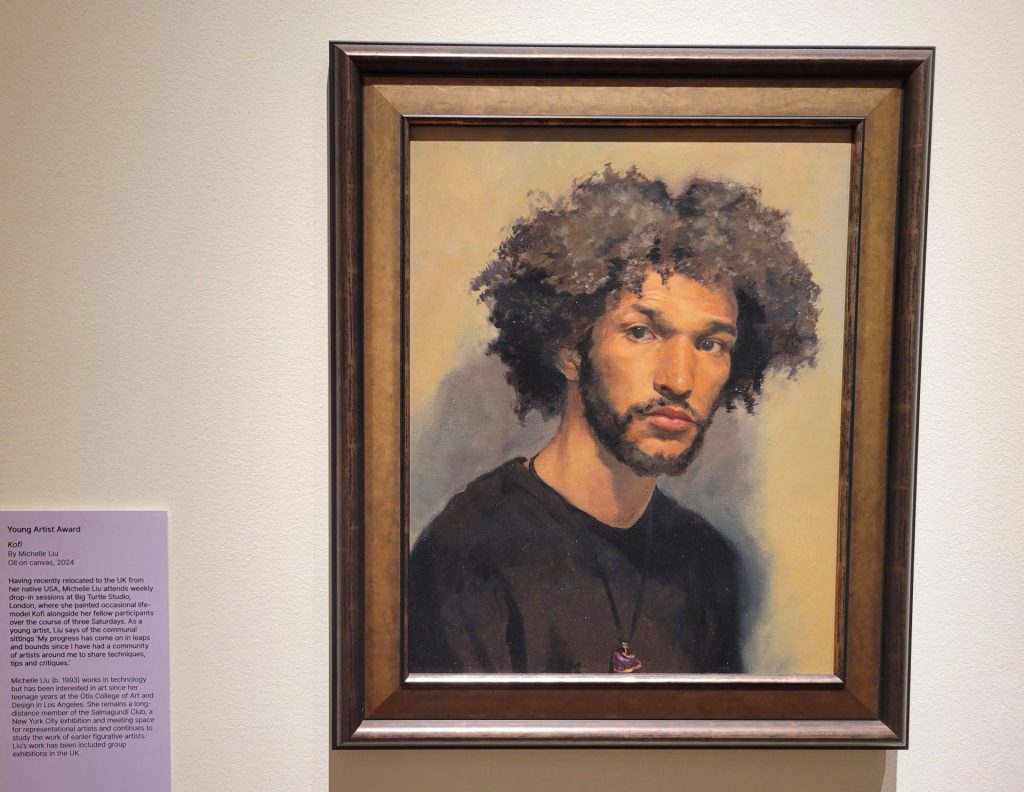
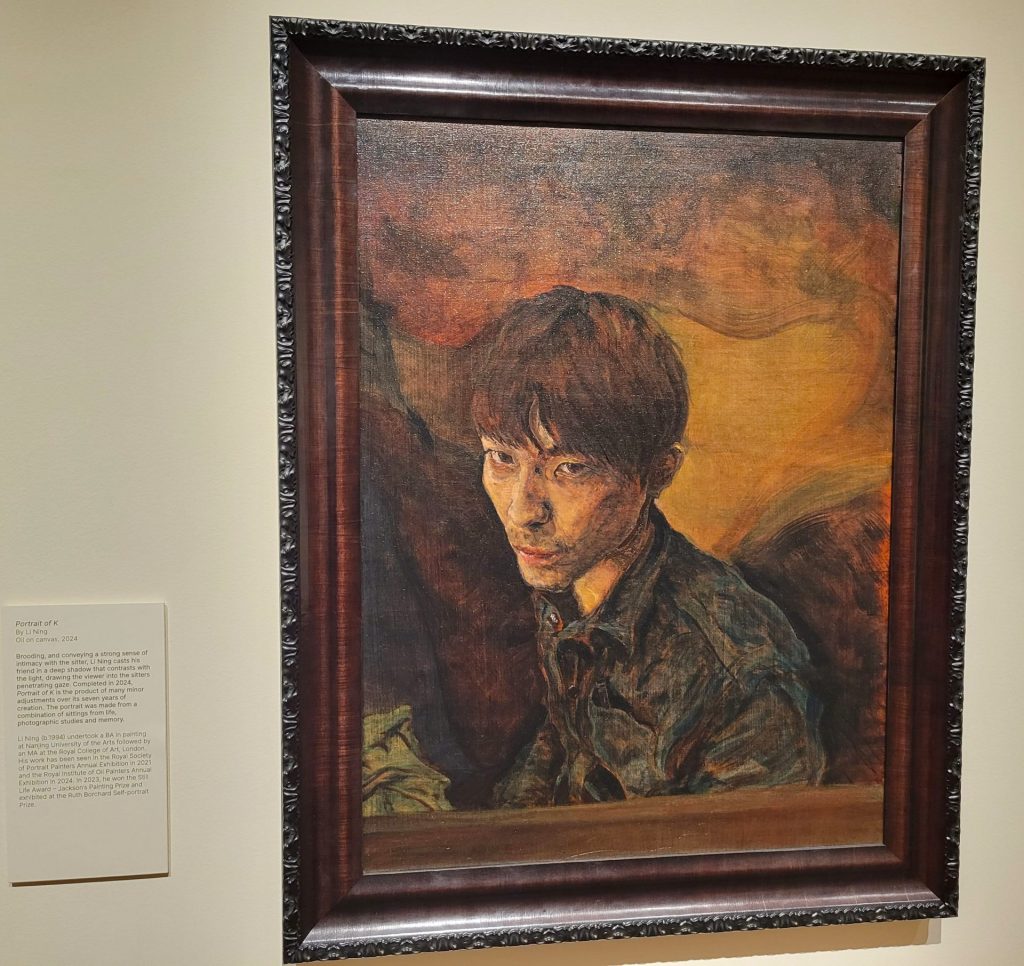
Courtauld Gallery
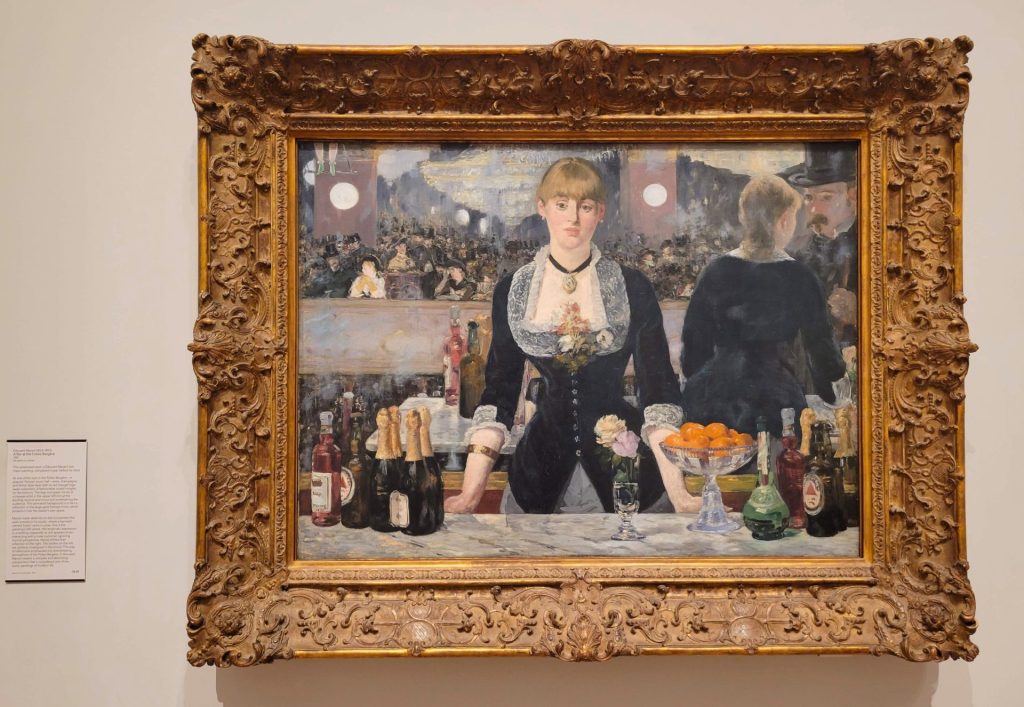
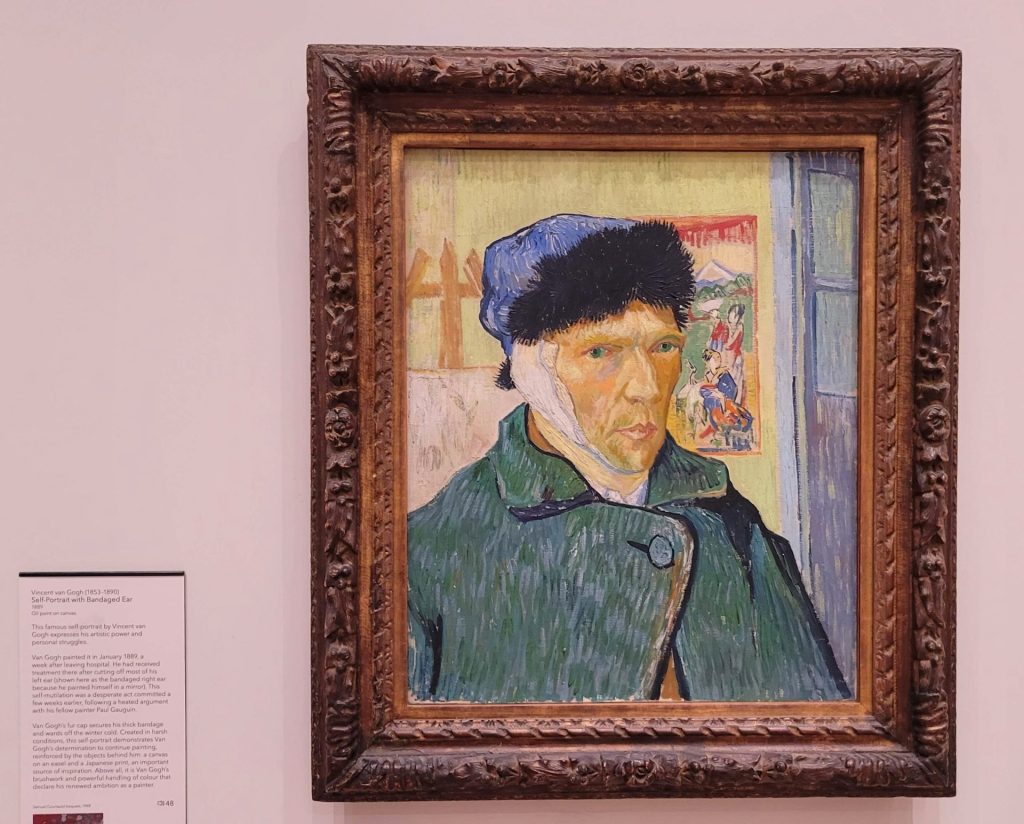
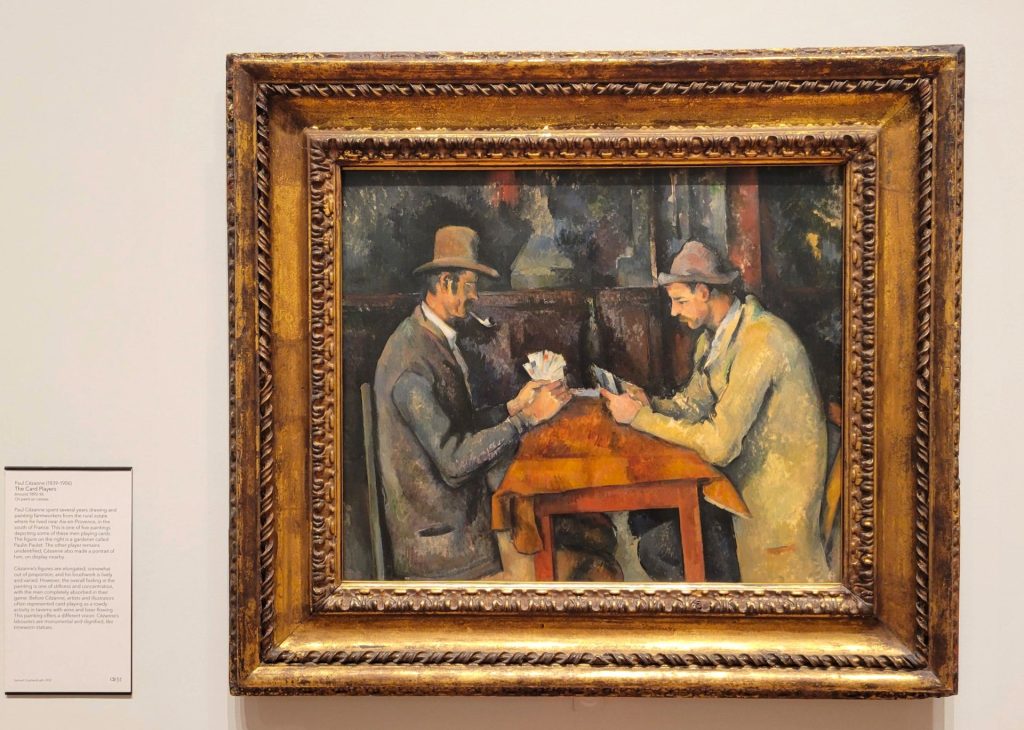
Despite being the smallest museum we saw, the Courtauld Gallery was a great stop. Their permanent collection might not be huge, but it packs a major punch. There are pieces from notable artists like Monet, Van Gogh, and Cézanne. It also features one of my all-time favorite paintings, Manet’s A Bar at the Folies-Bergère. Getting to see this in person was a real treat.
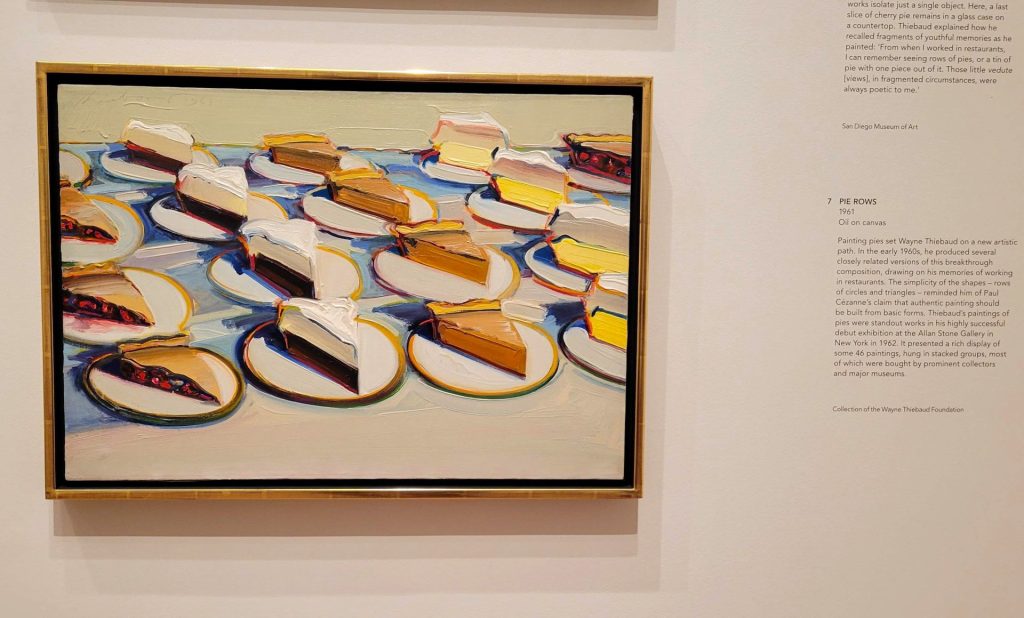
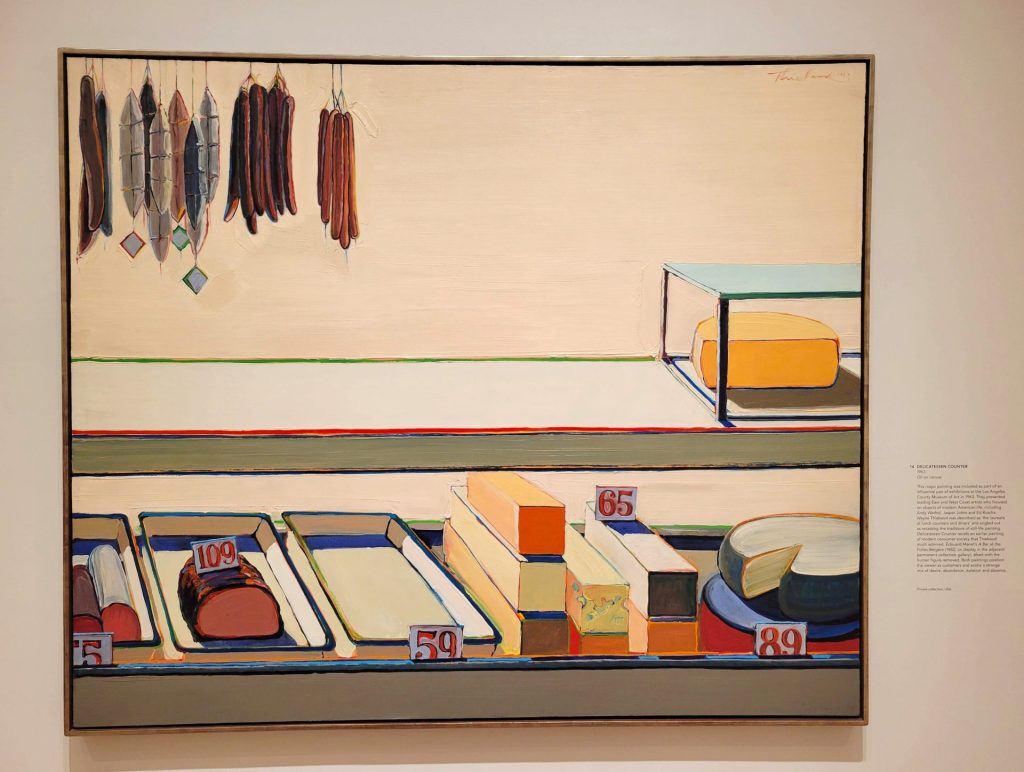
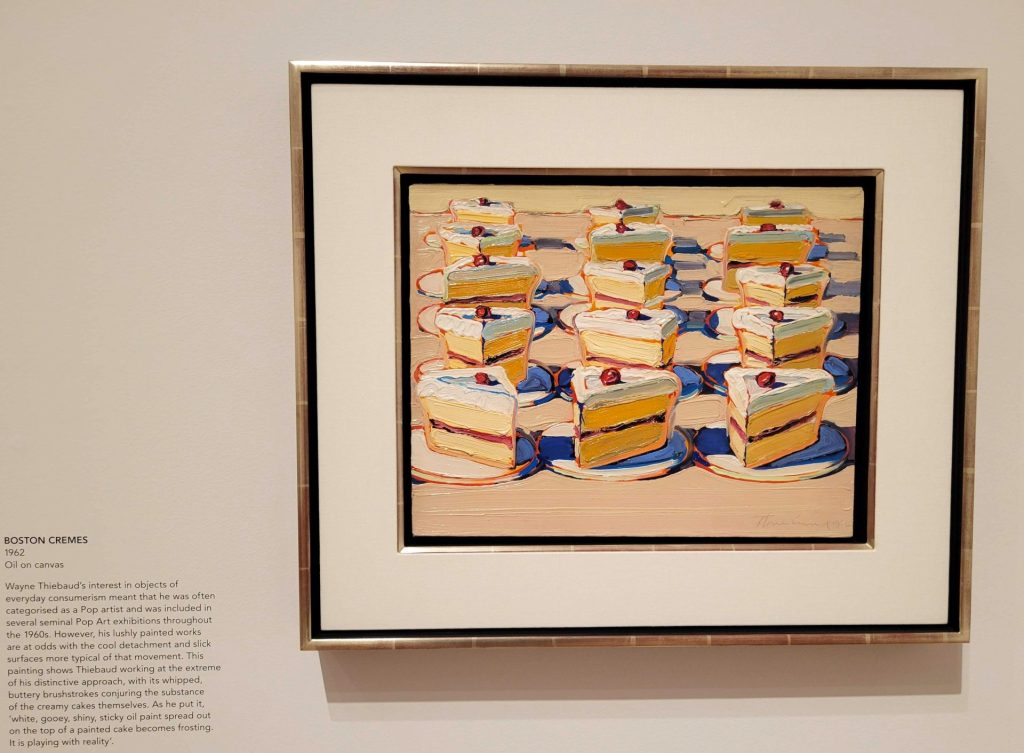
We also caught a special exhibit from American Wayne Thiebaud, who made about 40 paintings with a similar diner counter theme in the late 1950s. The Courtauld had about 2 dozen of them on display for this exhibit. I really appreciated the texture of them, which might be hard to convey in my pictures, but it was very striking in person. As an example, some of the pieces of cake had the paint applied so generously that it matched the texture of frosting.
Wallace Collection
Housed in a large mansion, the Wallace Collection is an odd but fascinating combination of art and weaponry. The upper floor showcases historical paintings, mostly featuring religious allegories and landscapes. The ground floor is divided into a few sections. There are several rooms decked out in high-class splendor, filled with stuffy portraits, antique vases, and ornate furniture. Next to those are a couple more featuring gold and silver trinkets and serviceware. And there’s a popular restaurant in the center.
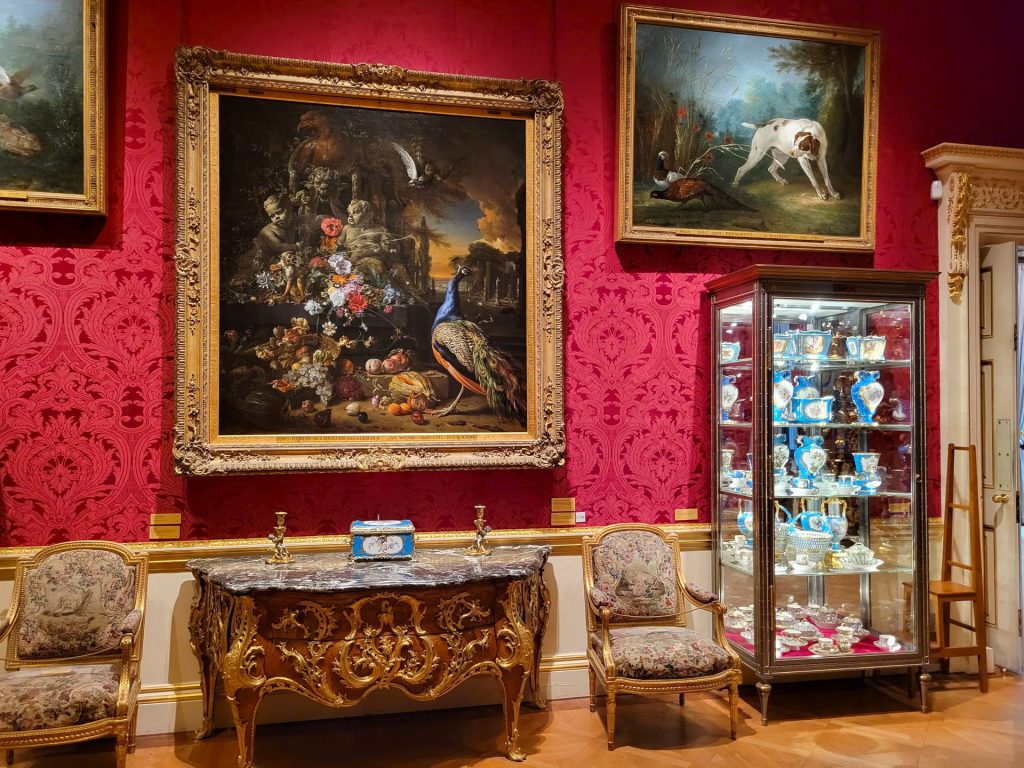
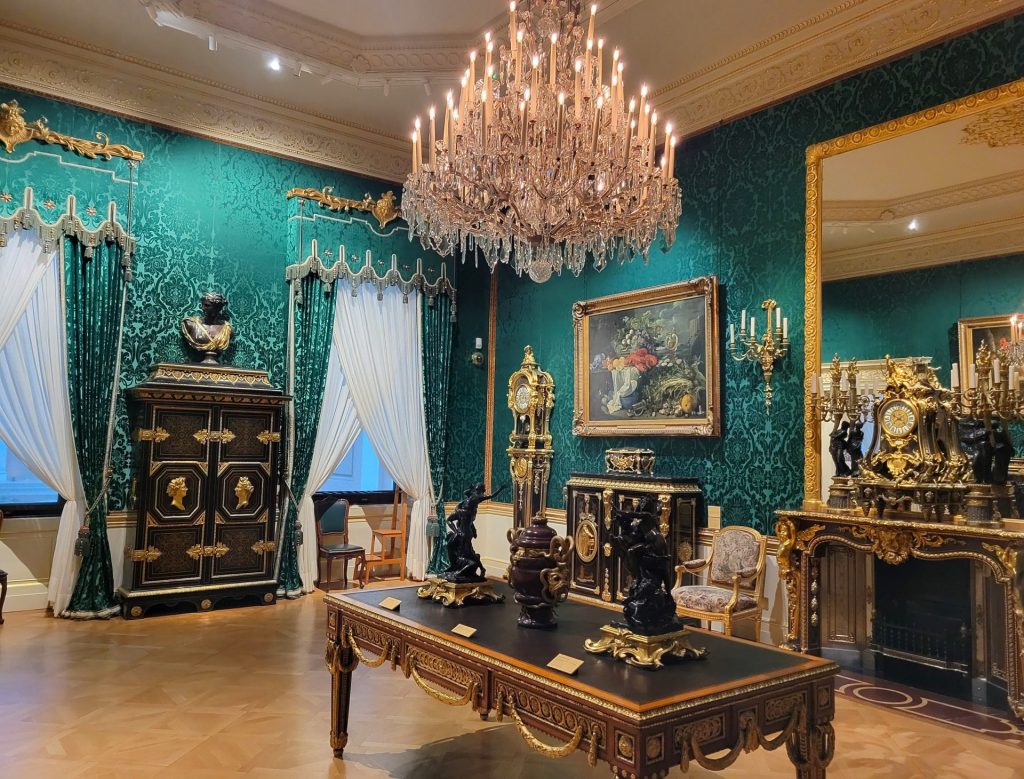
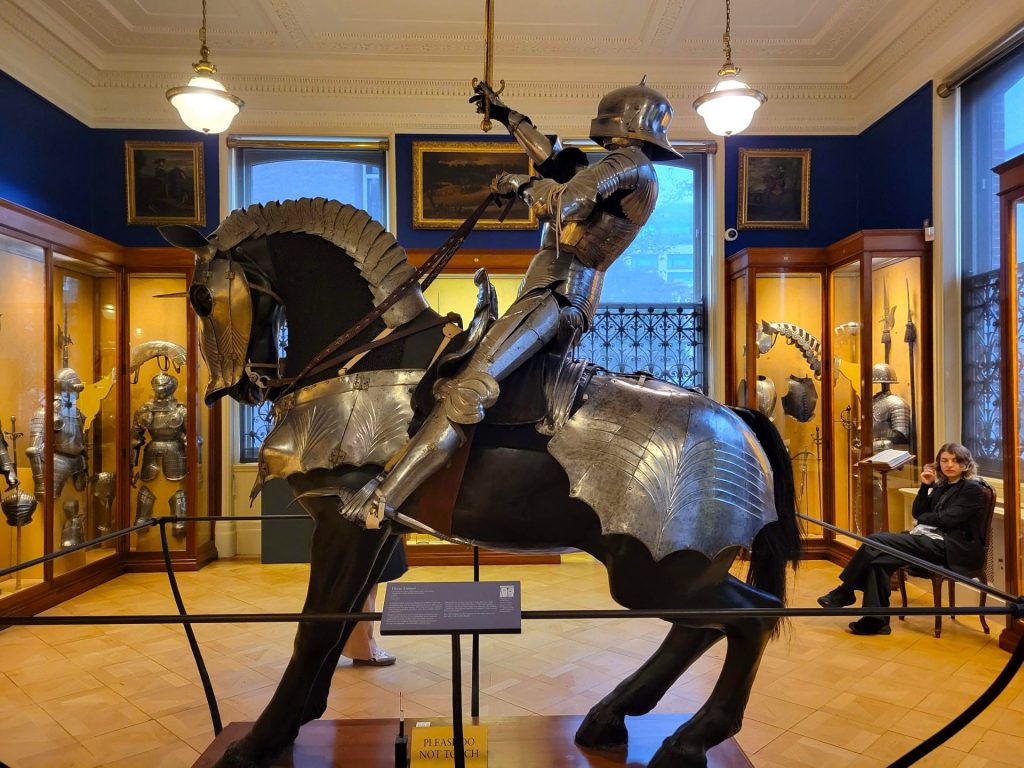
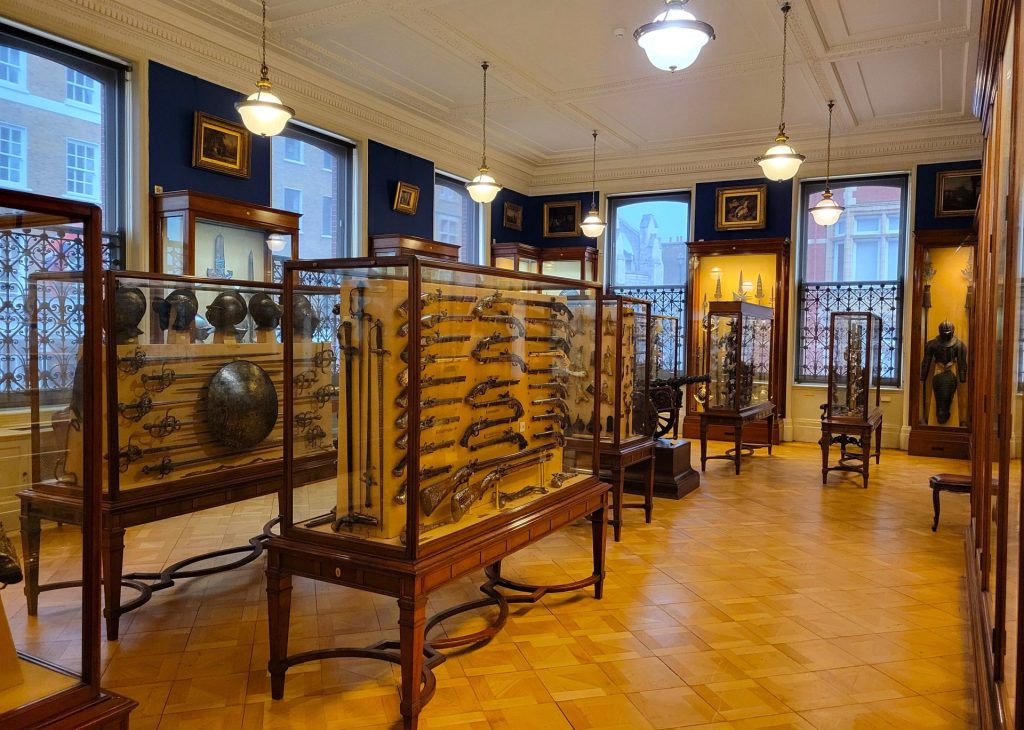
While the art and the fancy rooms were interesting, all of the armor and weapons on display was the best part. This is a global collection, including things like armor to fit an elephant, swords and knives from 6 continents, loads of rifles and pistols, a full samurai outfit, and more. Some of these displays were ceremonial examples, like jewel encrusted daggers, and some were definitely standard issue and likely used in battle. It’s all packed into 5 rooms and is a whirlwind of historical artifacts of the world’s militaries in one spot. (It’s also almost all behind glass so it’s hard to get pictures.)
Victoria and Albert Museum
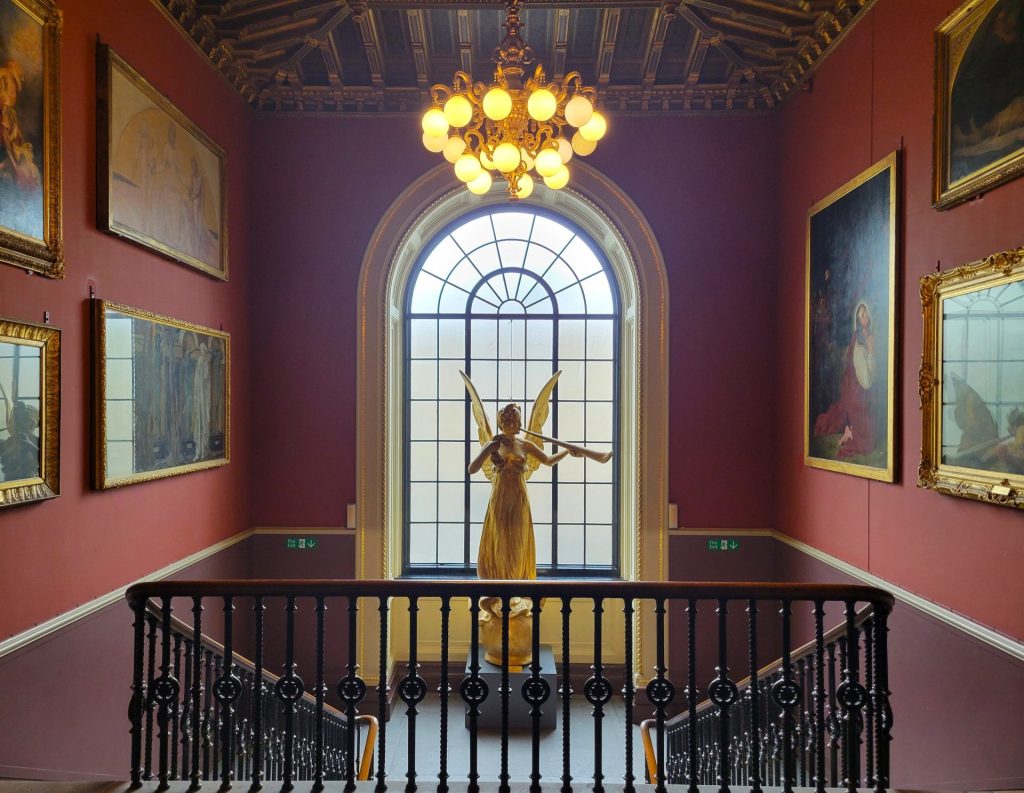
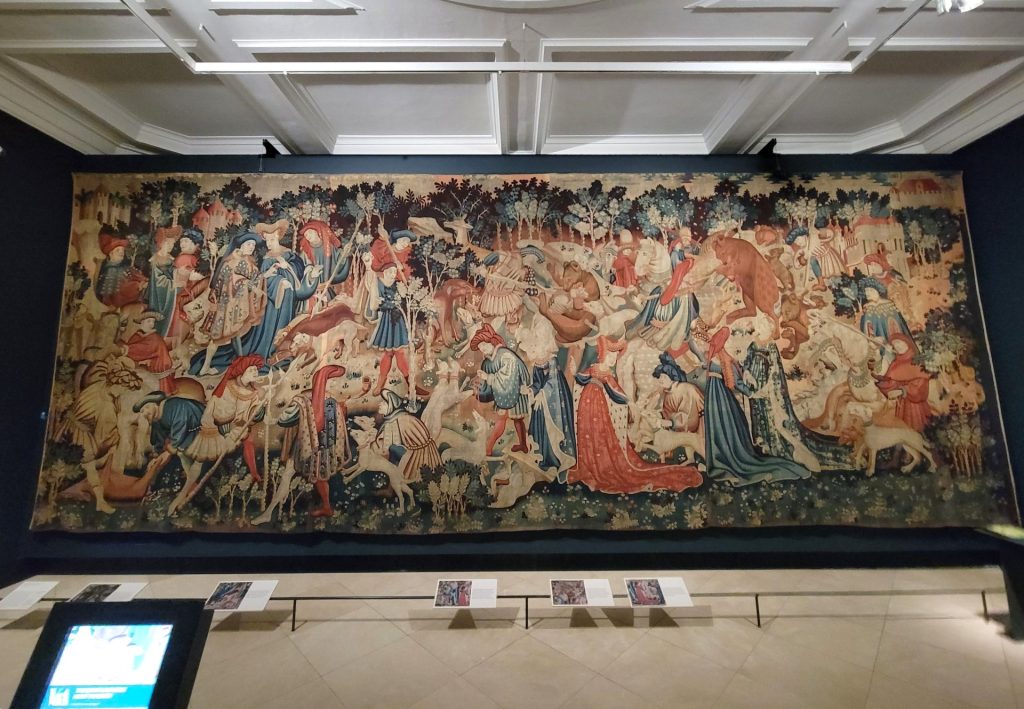
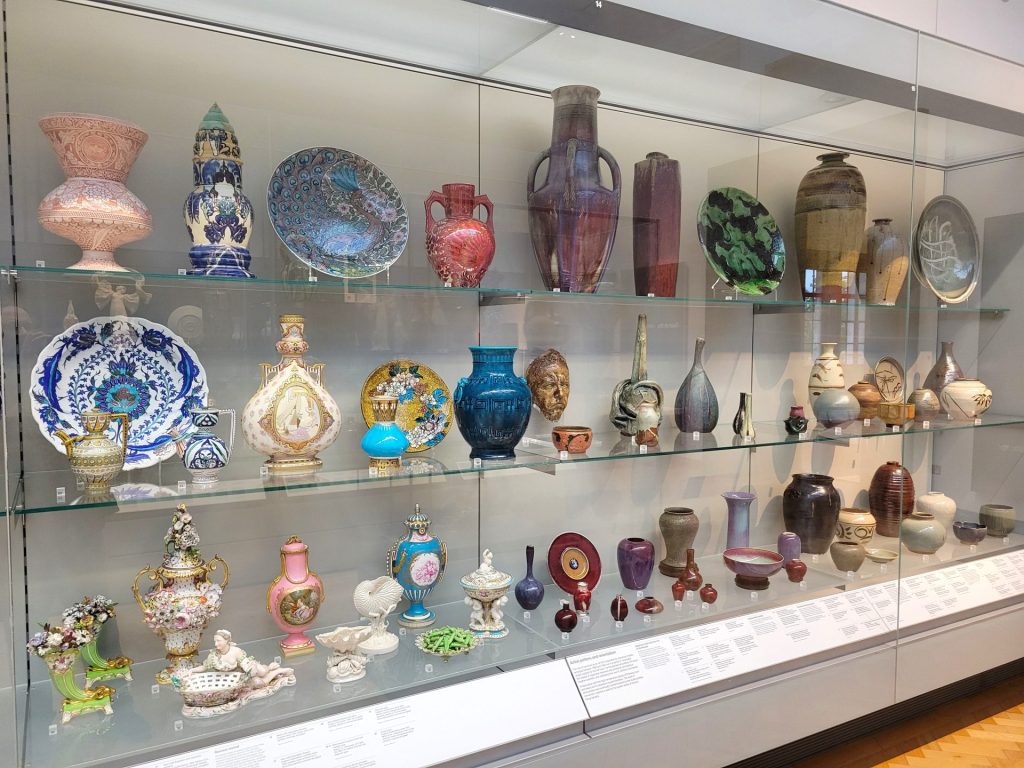
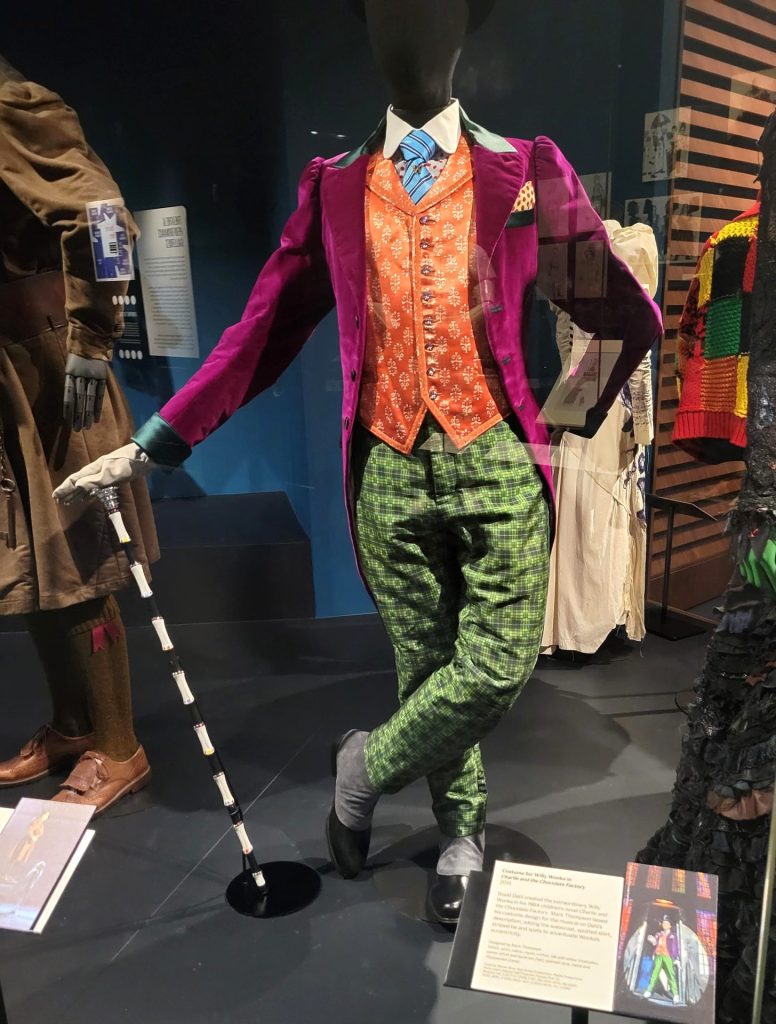
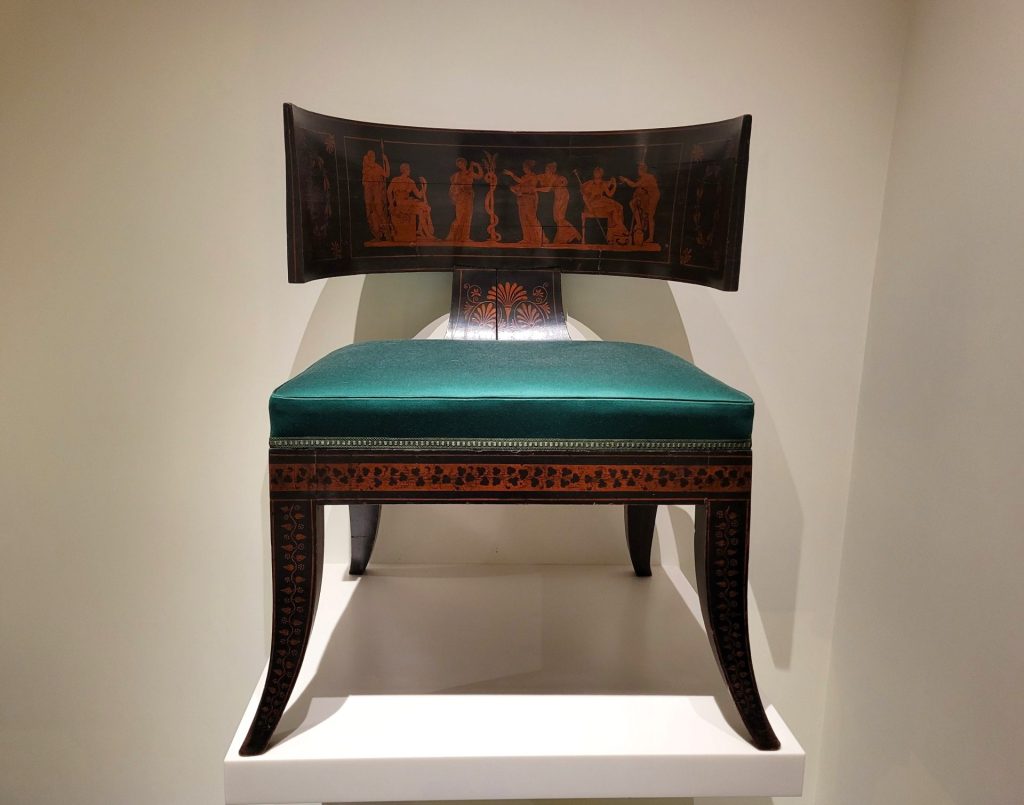
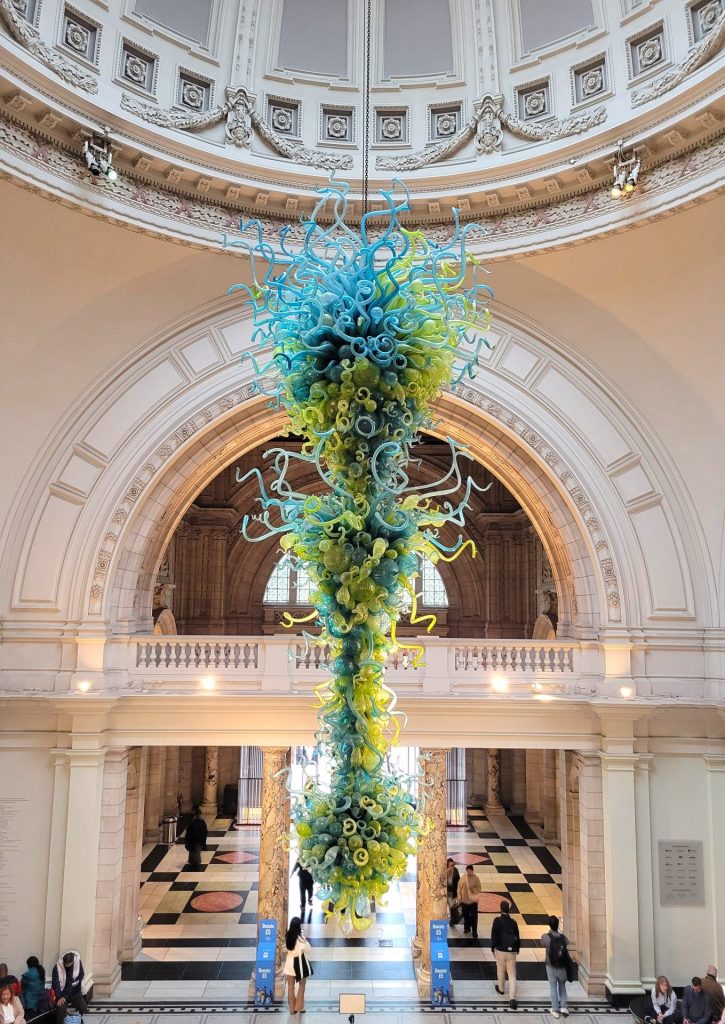
This museum is gigantic. It’s full of fashion, jewels, furniture, art, artifacts, relics, and so much more. The Victoria and Albert Museum was another one of our favorites because it’s such a fun, eclectic mix. There isn’t a lot of any one thing, but there’s so much of everything. It’s also very well curated, with enticing descriptions and stories to accompany many of the pieces. We went twice, for several hours each time, and still didn’t see everything on display. Visiting the V&A is very much like eating a sandwich made from Thanksgiving leftovers. They piled a bunch of seemingly mismatched ingredients together and it turned out to be absolutely delicious.
V&A East Storehouse
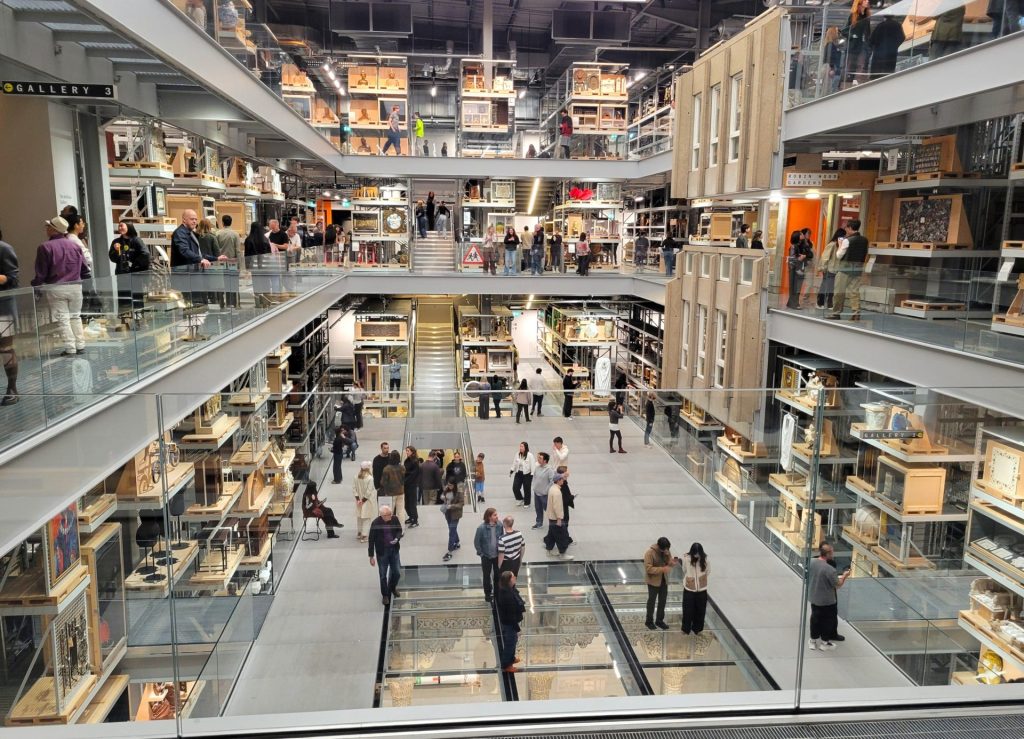
Since we enjoyed the regular V&A Museum enough to go twice, we figured that we’d try the V&A East Storehouse for even more V&A goodness. This is literally the warehouse where they store the pieces that don’t currently fit into the space at the regular V&A. Not everything in the storehouse is viewable, but enough are that it’s possible to get another taste of the eclecticness of the main museum. Unfortunately, they are not organized by category at all, which makes it too much of a random hodgepodge to produce the same feelings of wonder. It also lacks the great informative plaques that really tie the V&A together. But there are interesting set ups and we were able to get within inches of intricate pieces of furniture and see a handful of cool things.
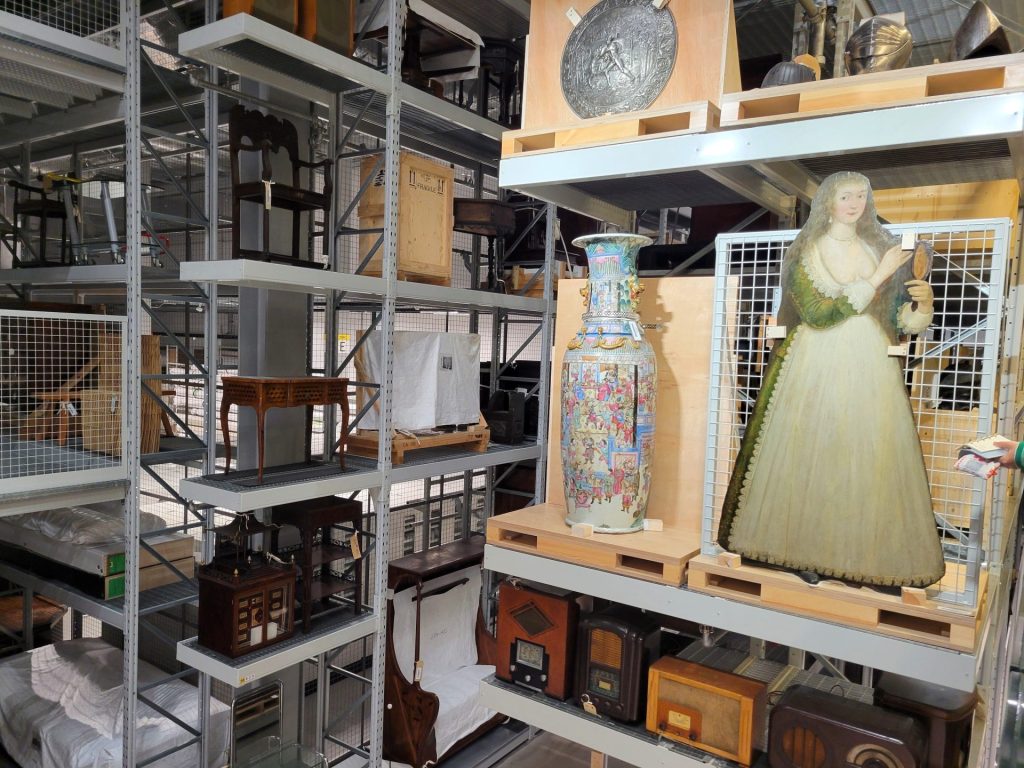
The best part might be one we didn’t get to participate in though. They have their entire inventory on their website and offer the public a chance to inspect and examine any five pieces with advanced notice. So it’s possible to choose a shirt or costume that David Bowie wore on one of his tours and have that brought into a room where you could examine it without barriers. That process takes several weeks for them to set up from request to execution, so it’s hard for tourists to take part in without lots of advanced planning, which we didn’t do. Nevertheless, it’s a really unique offering.
Natural History Museum
One of the most popular museums in town showcases a vast array of natural artifacts. From full dinosaur skeletons to gemstones to taxidermied animals from the African plains, the Natural History Museum has more treasure than can be seen in a day. While it was crazy busy, especially in the dinosaur areas, we found several other sections that weren’t too bad. Specifically, the rocks and minerals area was pretty interesting and extremely vast. It also happened to be the section without a bunch of kids running and yelling through it, which helped our enjoyment.
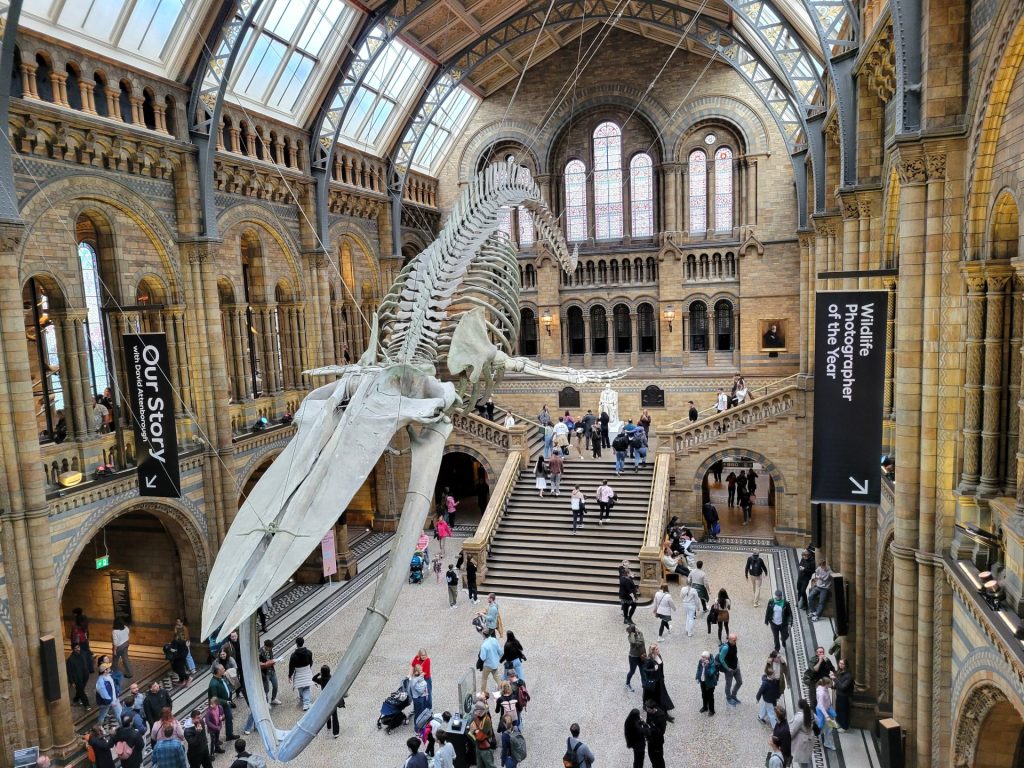
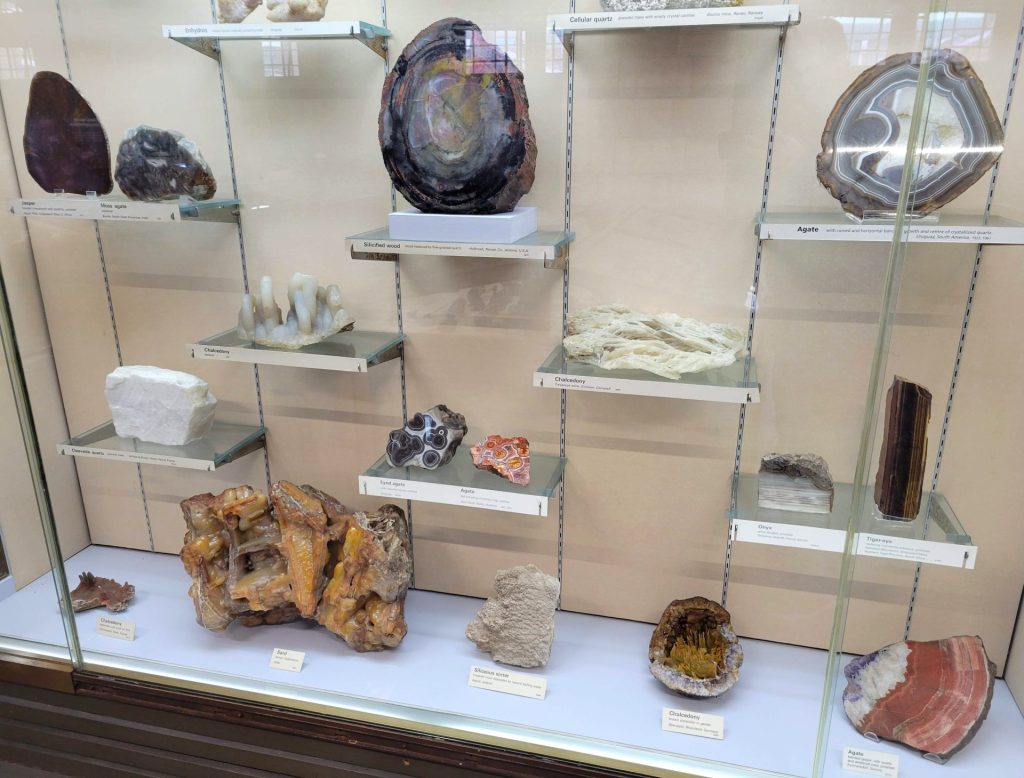
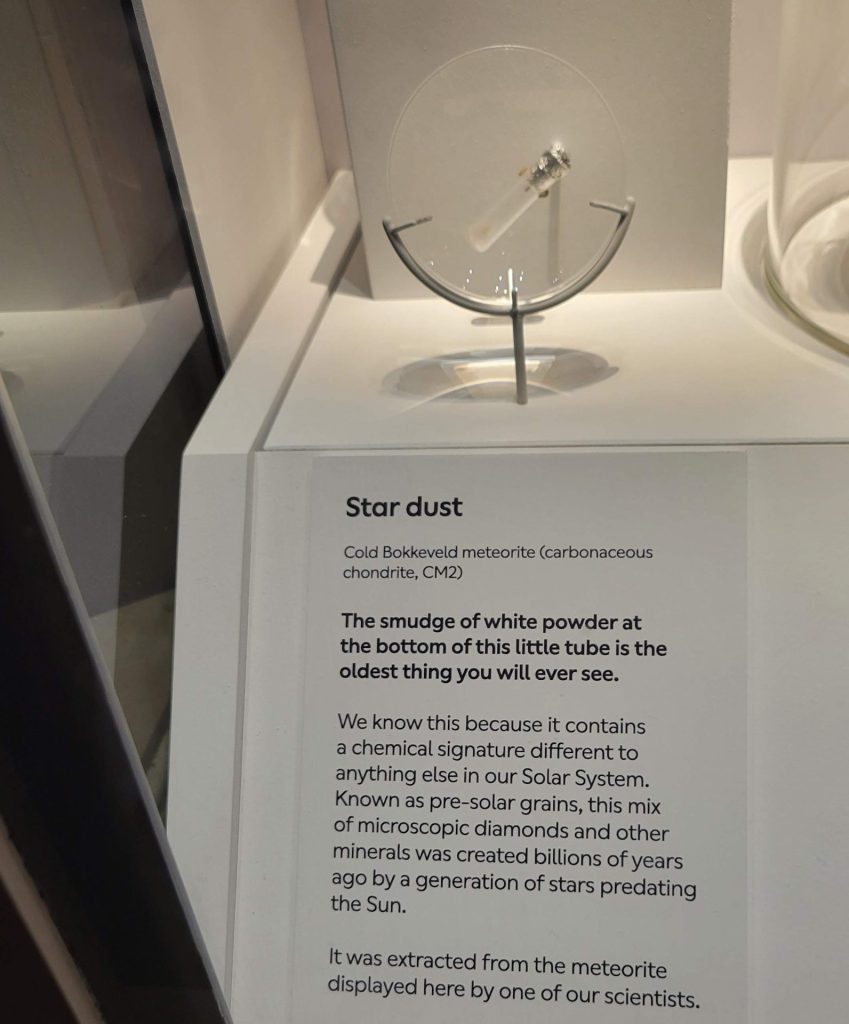
We were a bit hesitant to visit this museum because we knew it would be an absolute zoo. But they had a temporary exhibit highlighting the Wildlife Photographer of the Year contest that helped us overcome our trepidation. There were many great entries and it was fun to see the variety of outstanding photography work. It definitely made our visit worthwhile.






British Museum
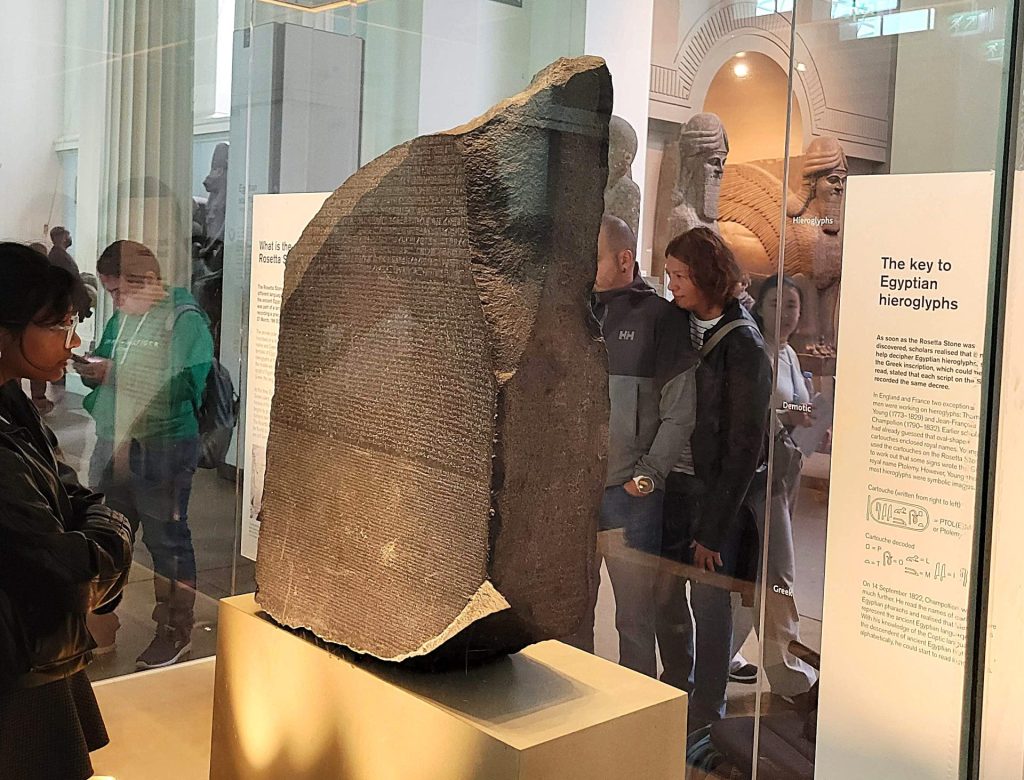
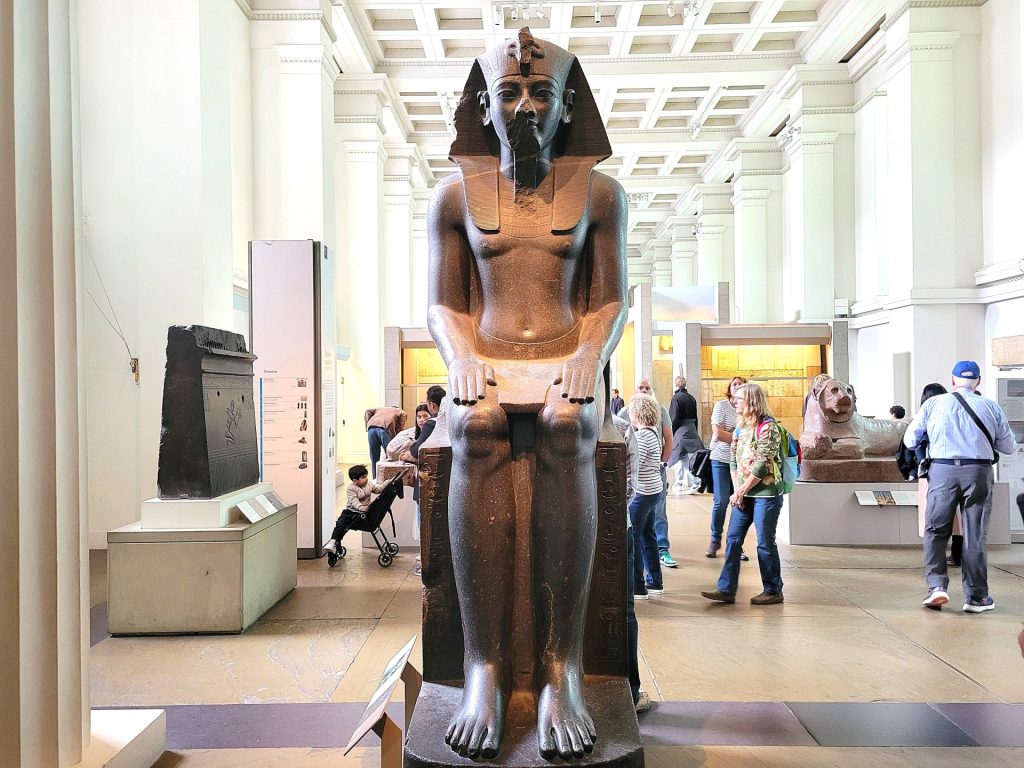
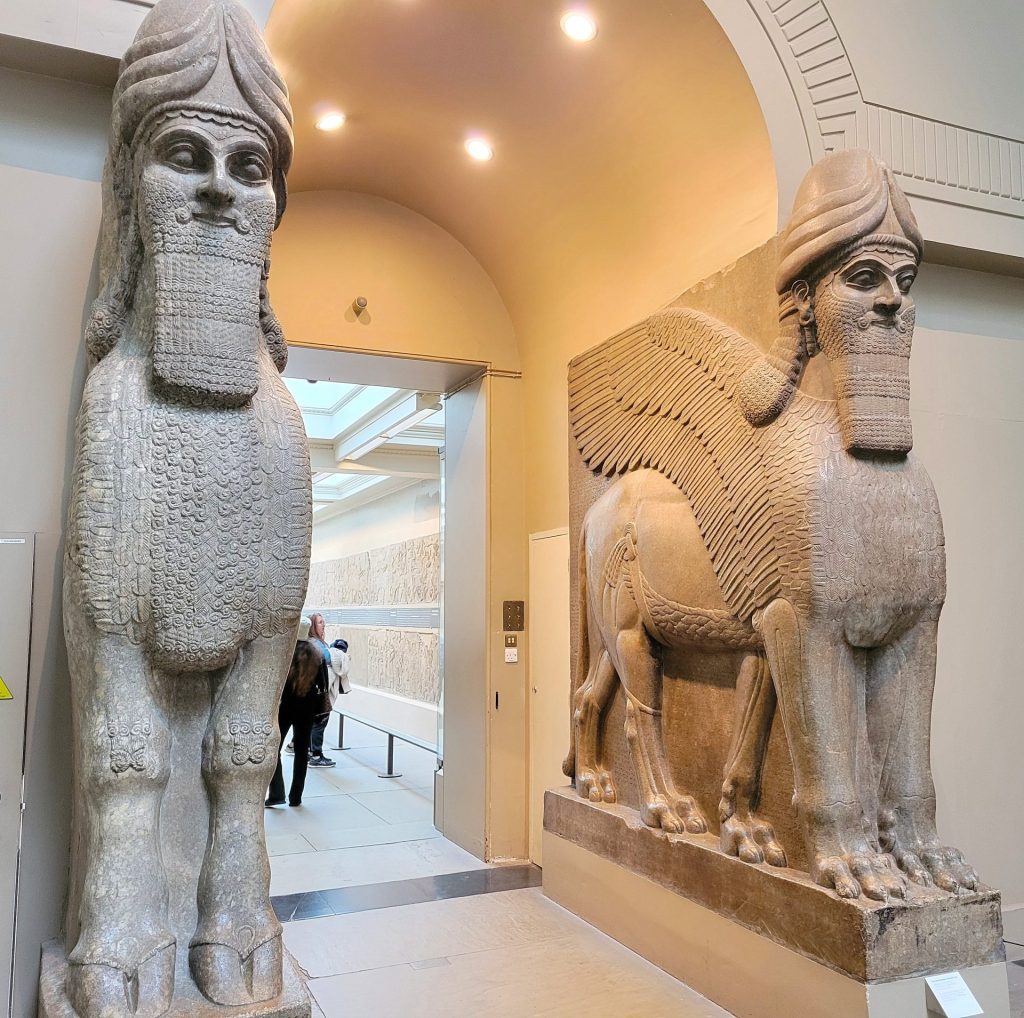
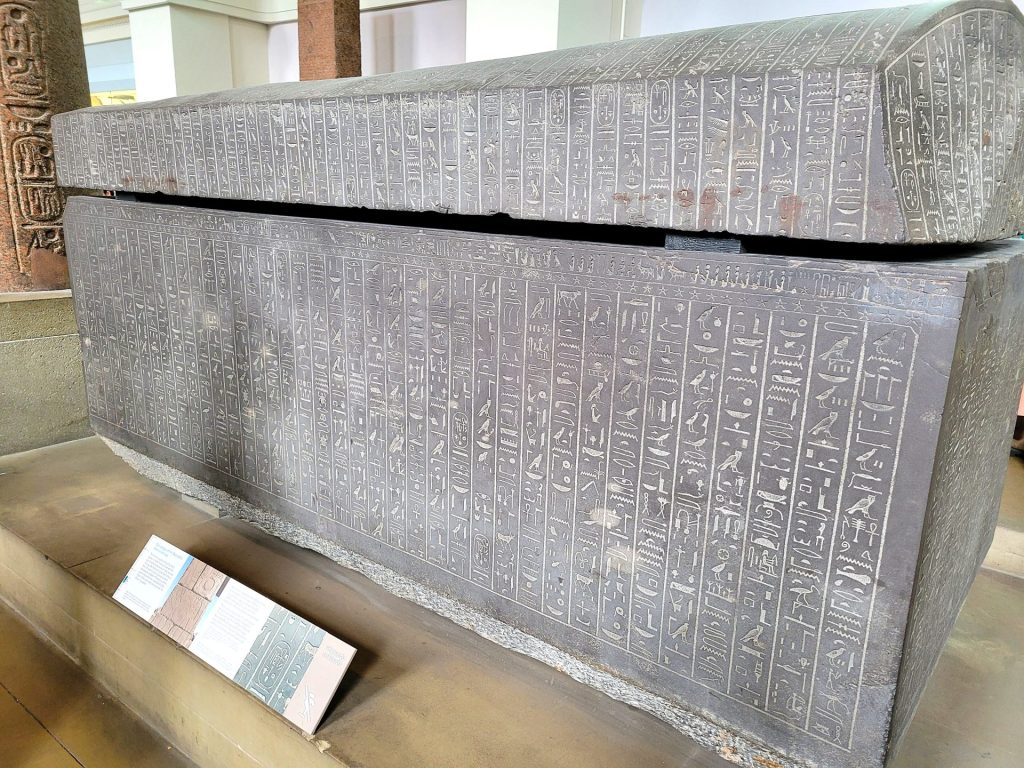
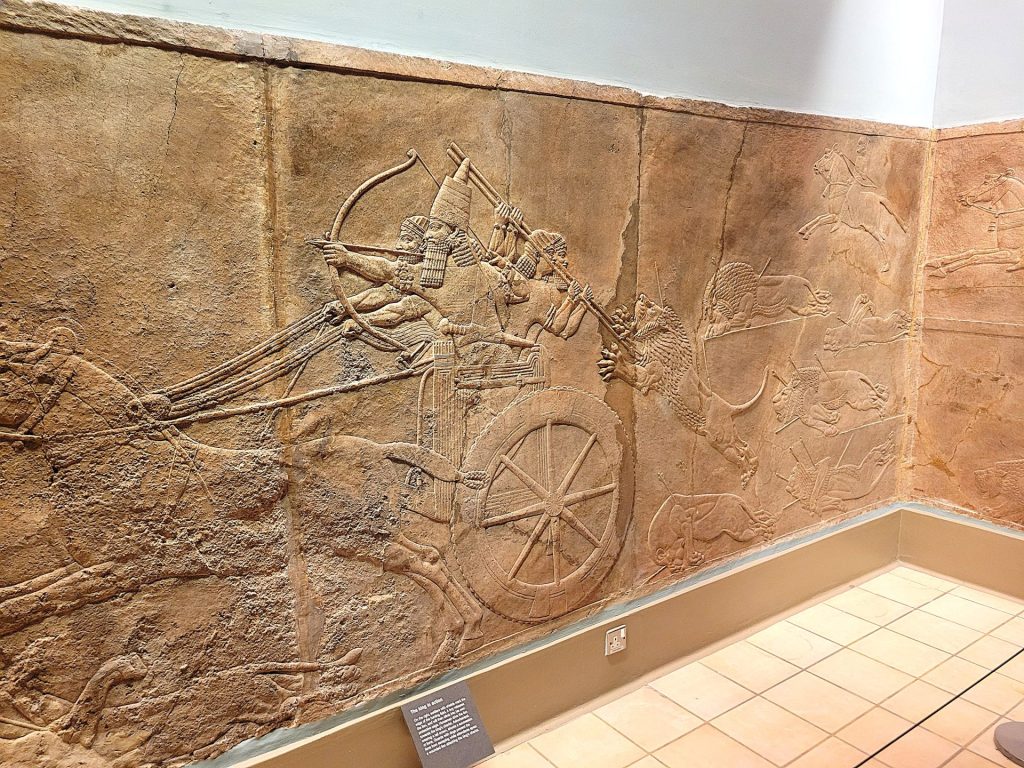
I have mixed feelings about the British Museum. Many of the artifacts on display are irreplaceable pieces of world history. There are boatloads of well-preserved artifacts from the Middle East, especially from the ancient Egyptian and Assyrian empires. Several of them are massive stone carvings that survived centuries and were transported intact all the way to London. We saw the actual Rosetta Stone! Seeing all of these centuries old antiquities is really humbling. But I know the only reason that I’m able to view these is that the British basically looted them from lesser-developed nations over the decades. So it’s a lot of fun to walk around and marvel at all of the history, but there was always a little itch in the back of my brain that couldn’t help but remember how they were acquired.
Other Museums
We also visited the National Maritime Museum, Tate Britain, and Royal Academy of Art, but I’m going to just lump them all together here for the sake of brevity. Plus, this post is already about five months late, so in the interest of actually finishing it, tough choices had to be made. Just like choosing which London museums to skip. We ran out of time and never even made it to the Tate Modern or the Moco Museum.
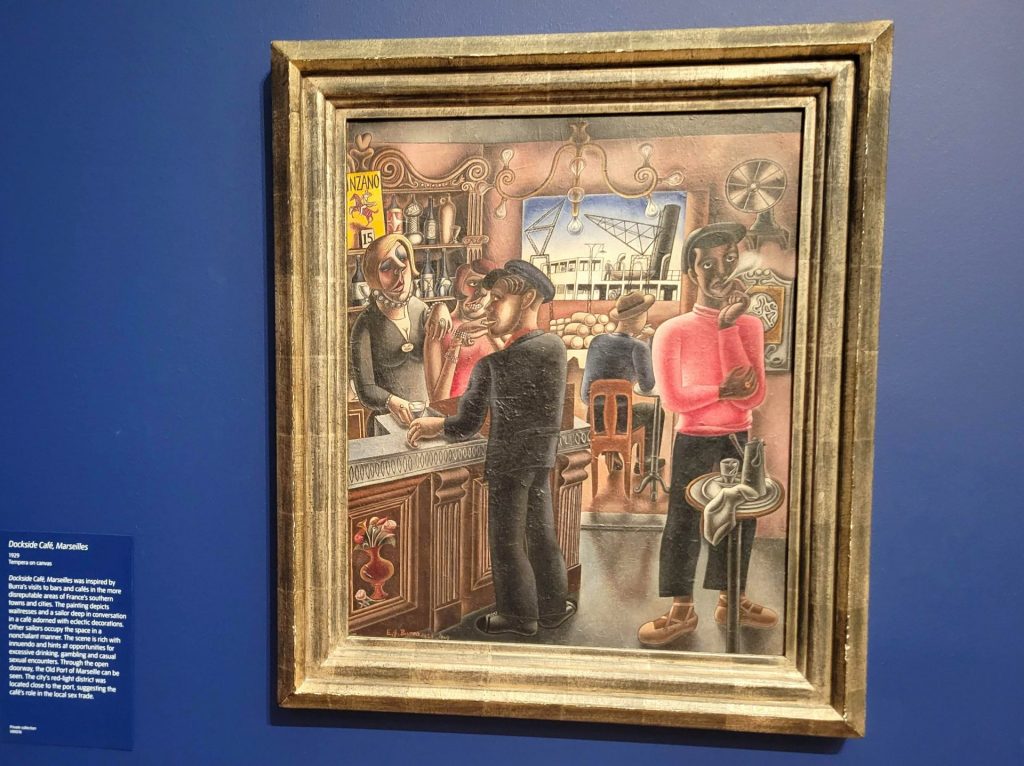
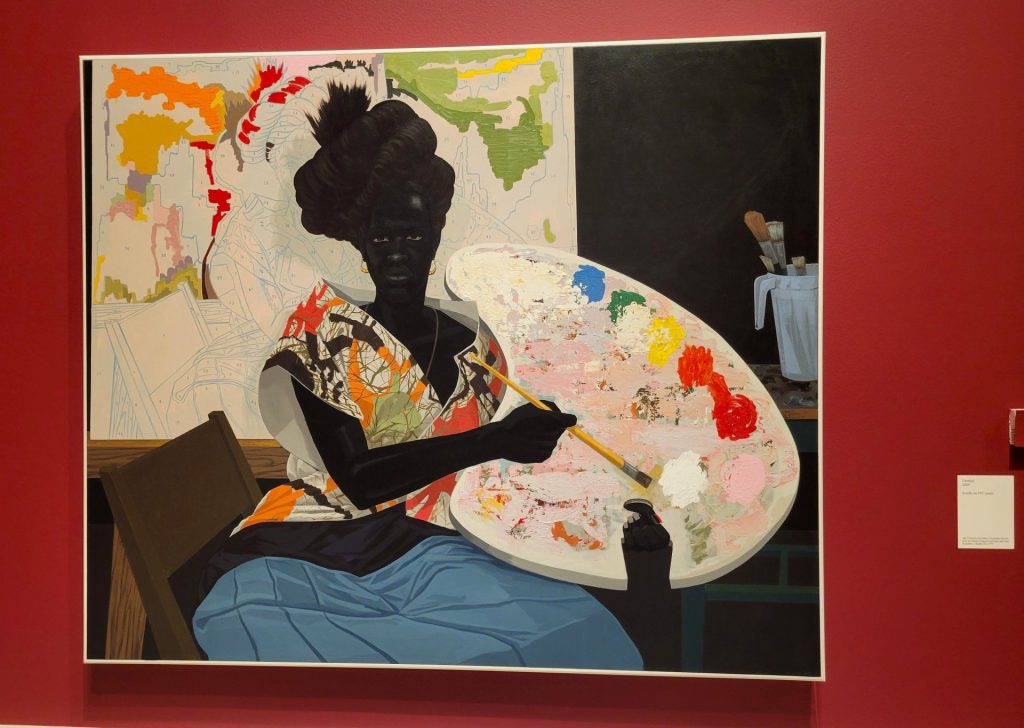
Local Markets
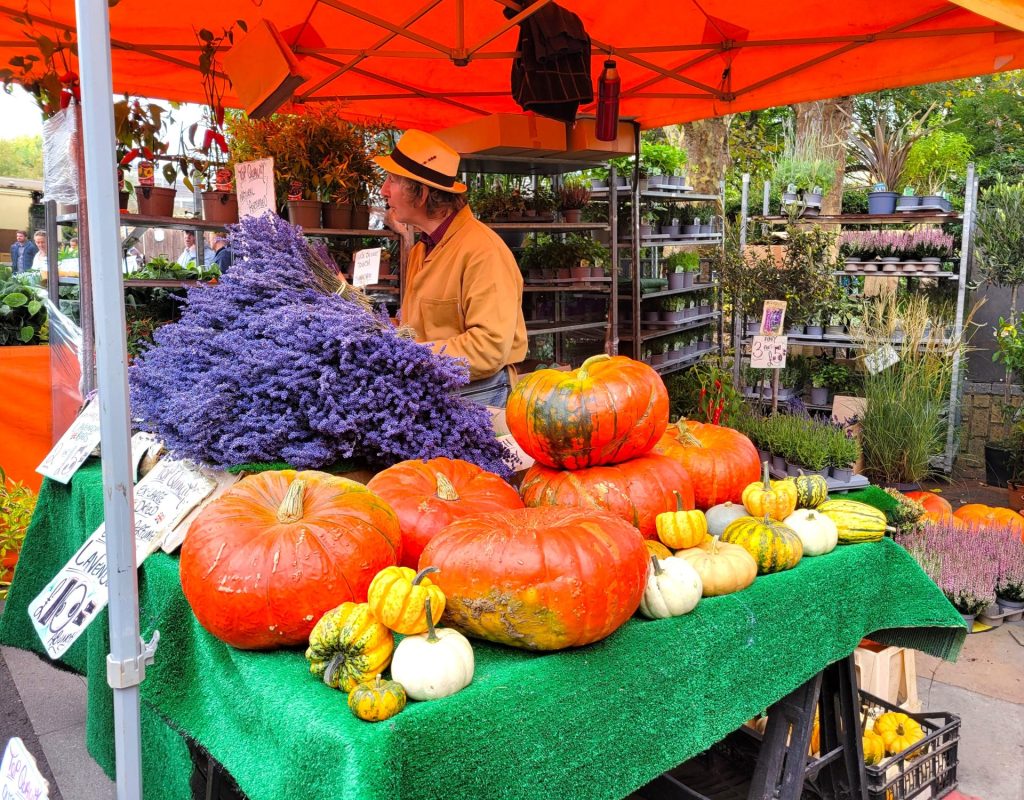
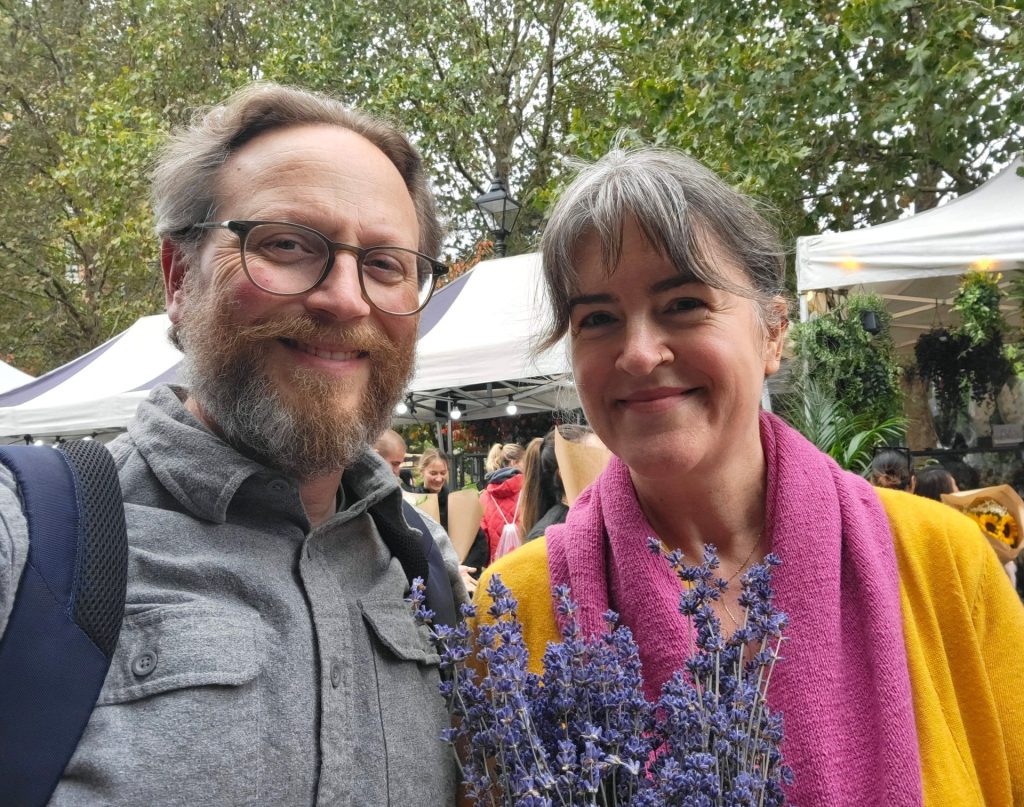
We found local markets scattered everywhere. A lot of them are weekend markets, mostly filled with prepared food stalls that were fun to stroll through while enjoying the aromas. There are plenty of produce markets as well. We also enjoyed the Colombia Road Flower Market, but got suckered into buying a lavender bouquet because the smell from the stand was so unbelievably enticing. But when we got it home, it basically had no scent at all. As a general rule, it seemed like the markets that are open everyday are more likely to be tourist traps, whereas the once a week markets cater more to the locals. Camden market especially is one giant tourist trap and definitely not worth visiting unless you’re in the market for some knockoff merchandise featuring The Clash or the Beatles or want some cheap “silver” jewelry.
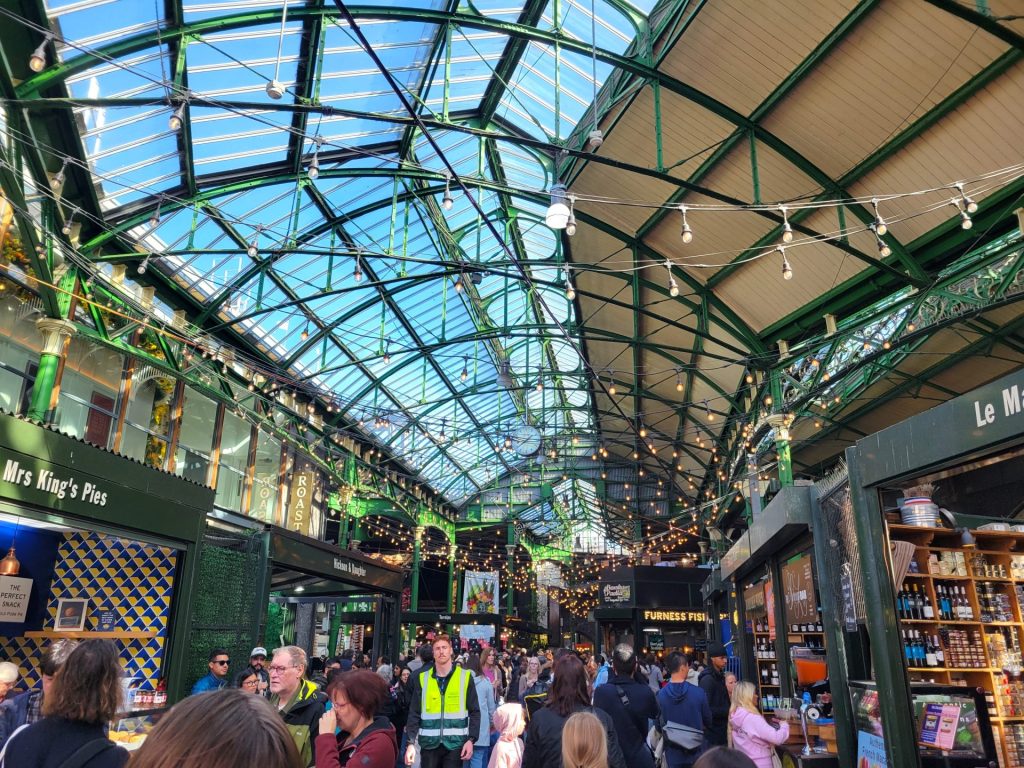
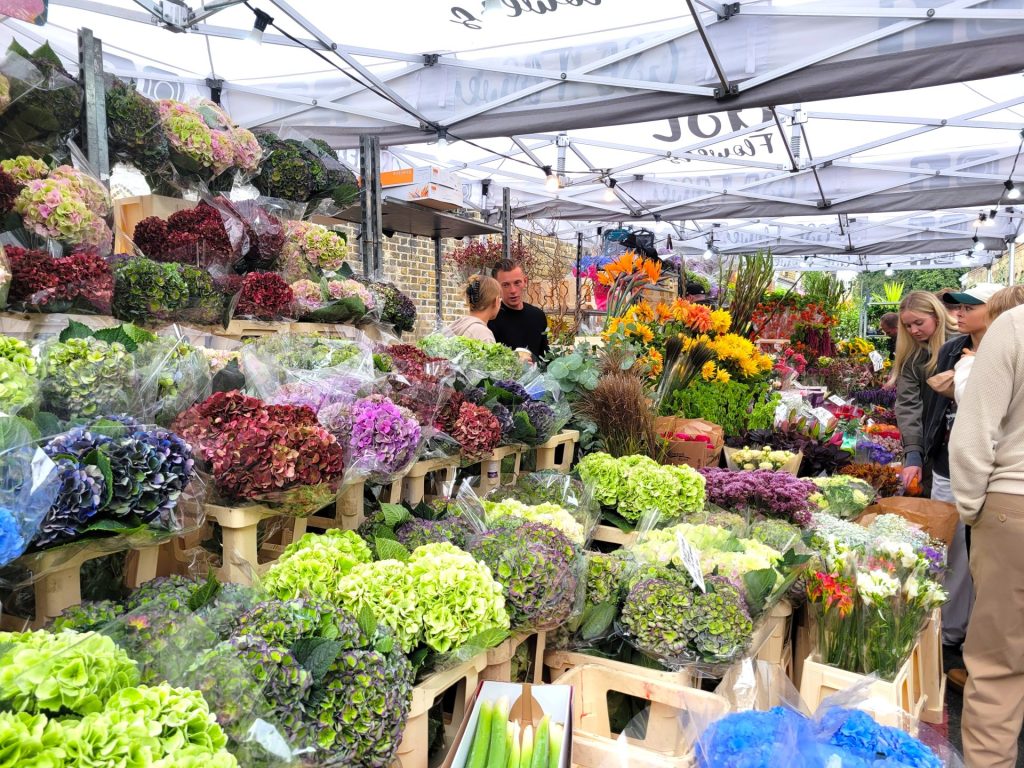
Royal Albert Hall Concert
Shortly after booking our apartment, I learned that progressive bluegrass musician Billy Strings and his band had announced a small 6 city European tour. Included in this short jaunt was a stop at the historic Royal Albert Hall in London. That was an extremely fortuitous announcement for us, as we almost never get to see proper live music while traveling around, let alone a band that I know and love. I set a reminder and bought tickets the moment they went on sale, choosing the front row of the upper deck, almost dead center. This was going to be our first Billy Strings show ever and we were super excited for it.
When seeing Billy Strings in the US, I’d expect a mostly raucous crowd comprised of a unique combination of drunk rednecks and stoned hippies dancing together in unison. (I confirmed this was the case a couple of months later when we attended our second Billy Strings show, this time in Louisville at the atrociously named KFC Yum! Center.) In London however, the crowd was much more subdued.
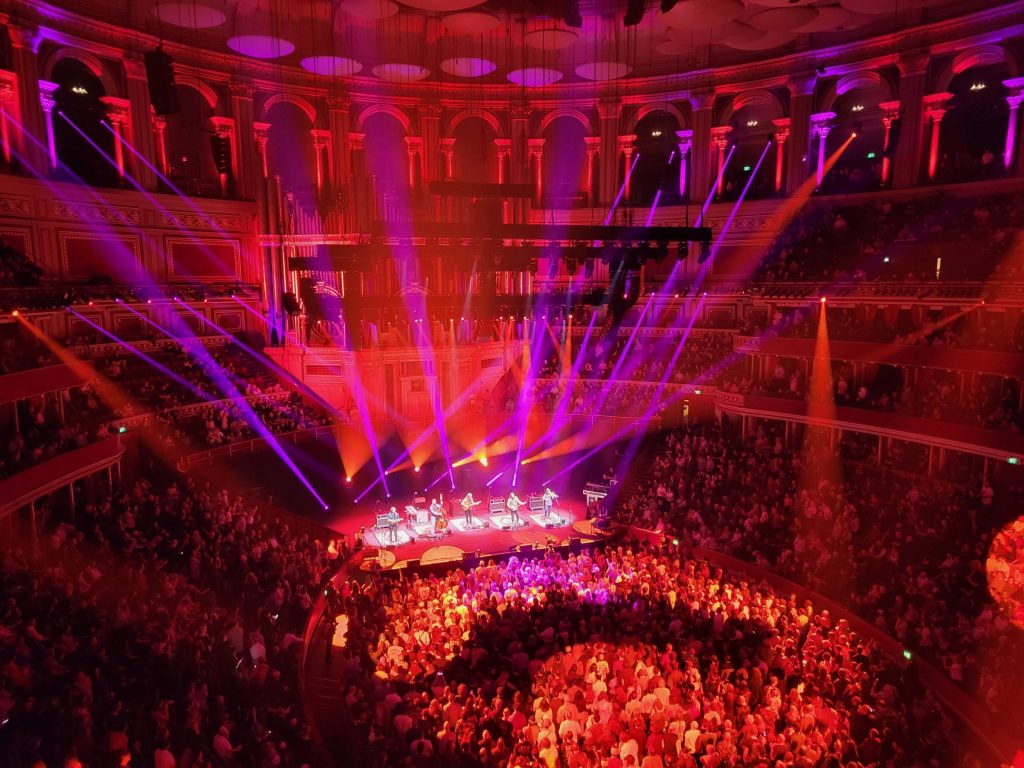
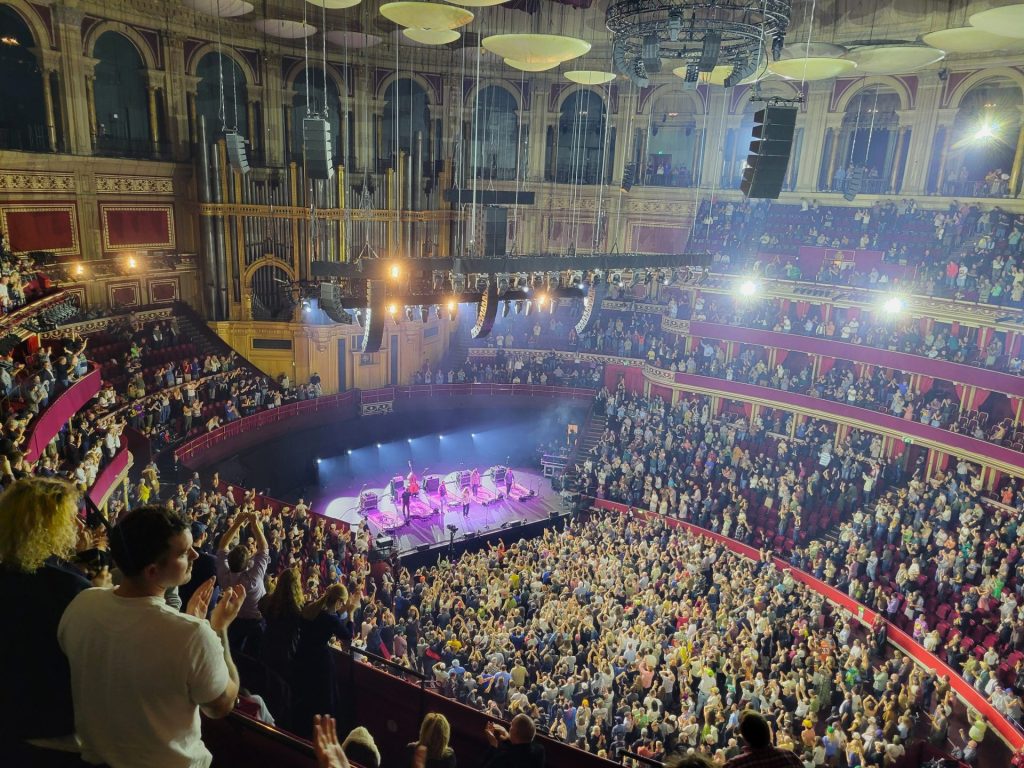
The concert started and only a few people stood to dance. The lower bowl was maybe 40% dancers, but practically everyone stayed seated in the upper level where we were. Our front row seats meant that us standing would’ve been blocking several people, so we swallowed our natural instincts and stayed seated out of courtesy. But it’s really hard not to get up and dance at a Billy Strings show, especially when they’re picking that fast-paced bluegrass. So while I was bouncing around in my seat like a 10 year old on the last day of school, I made a plan.
At setbreak, I ventured up to the top row of the venue (which was only 7 rows higher) and started asking people if they wanted to switch seats. They would get a little better view and we would not feel bad about standing for the remainder of the show. The first person I asked declined, as they wanted to dance too. However the couple next to him was amenable to my request and we exchanged spots.
The switch worked out great. Katie and I let it all loose for the second set, having our own little hoedown in the top row with our new neighbor. While the Royal Albert Hall crowd was a little low key, the sound and sight lines were both outstanding. And the band didn’t seem to mind as they had as much energy as ever. We both loved our first Billy Strings experience.
Where We Stayed
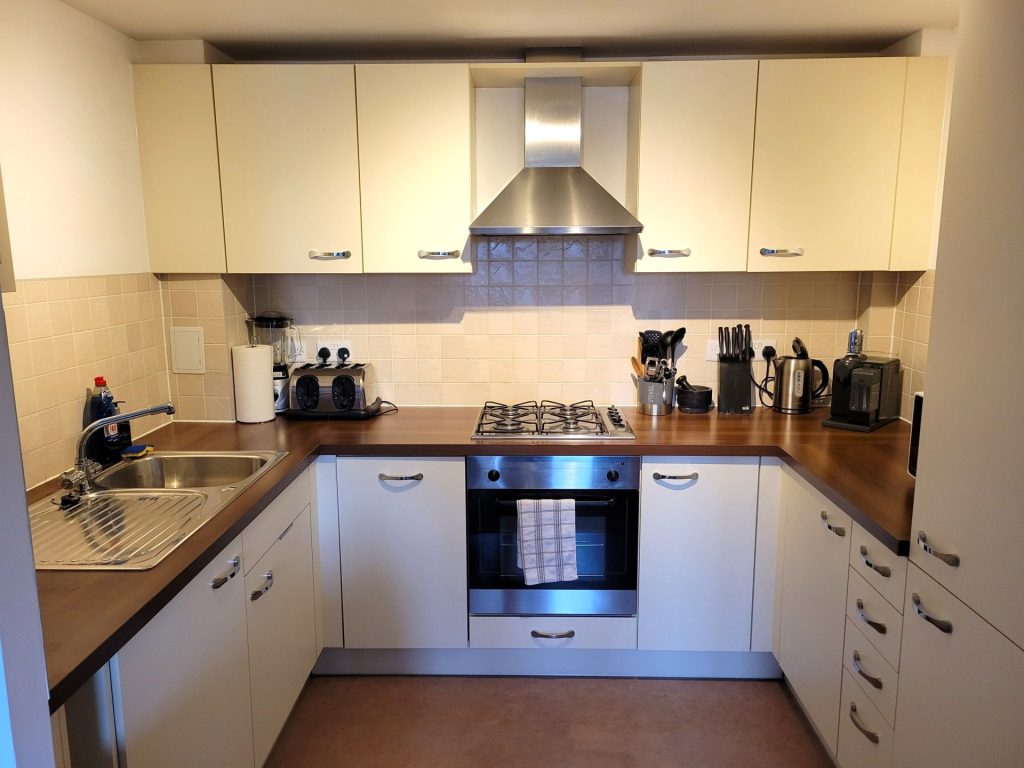
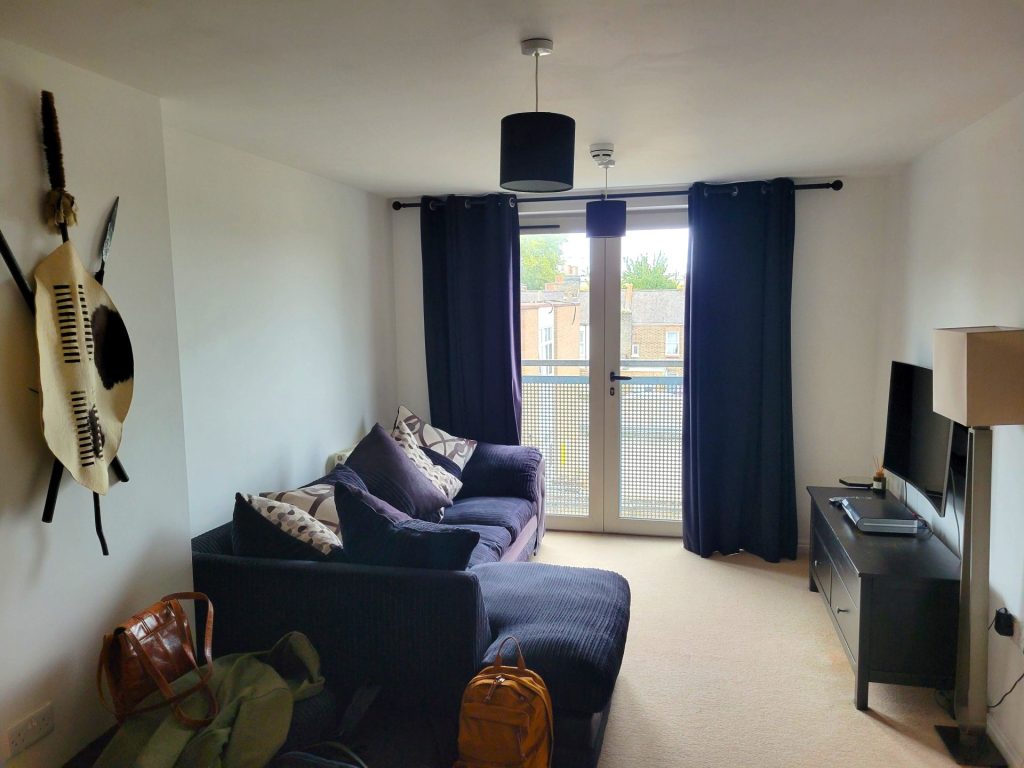
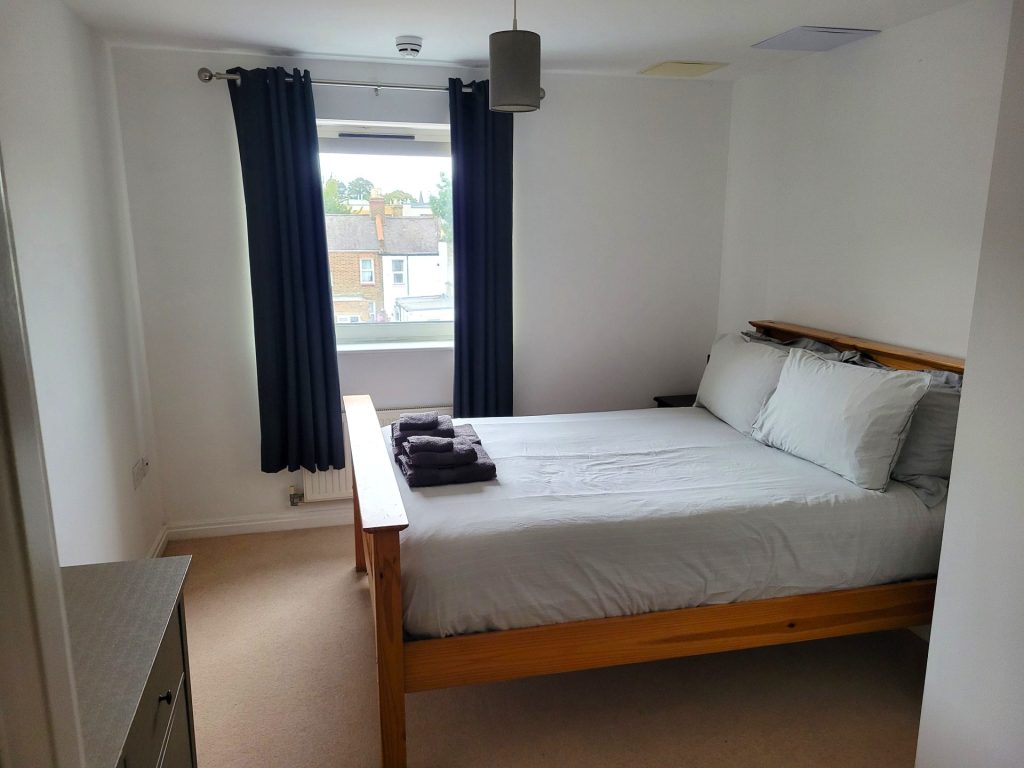
We rented a one bedroom apartment on the far east side of town, about a 15 minute walk from the Stratford Tube station, or a 2 hour walk to the Tower Bridge. This basic apartment on the outskirts still cost us $3097. Wow! Staying this far out meant that we spent a lot of time (and money) on the subway, but prices in the interior of the city were well above what we were willing to pay. We had to swallow hard just to book this one. We did end up liking the location for the most part, as it was close to a large park and a local farmers market where we got a bunch of dirt cheap produce.
What We Spent
London seems like a destination that’s outside of our budget comfort level. But after a very reasonable spending rate during our year in France, we felt as if we were in a good position to splurge. Except for housing costs, we actually found prices in London to be very reasonable. Groceries were quite cheap and almost all of the museums were (almost) free. Of course housing is such a massive bill, that looking favorably at other spending categories is like asking “Other than that Mrs. Lincoln, how was the play?”
We ended up spending $4754 in London for our four weeks. Almost $3500 of that was just rent and subway rides. When we add in our regular monthly bills, the grand total came to $4978, or about $178/day.
Overall we both thought London was a really fun and exciting city. The museums were top notch and had a nice variety of exhibits. The Tube is great for getting around and we saw a bunch of the different neighborhoods of the city, although certainly not all of it. We frequented many markets and lucked into great weather for most of our visit. While we wouldn’t want to pay these prices all of the time, splurging for a month of English hospitality was well worth it for this trip.


A pleasure to read, as always, and fun to live vicariously through your travels. What fantastic museums! Glad you got to experience a Billy Strings concert in London at a venue with a classier name than KFC Yum! — good lord how tacky. Thanks for keeping us updated. We look forward to reading about your next adventure.
Thank you for another great post – to include highlighting some of the lesser known but amazing London museums..!